

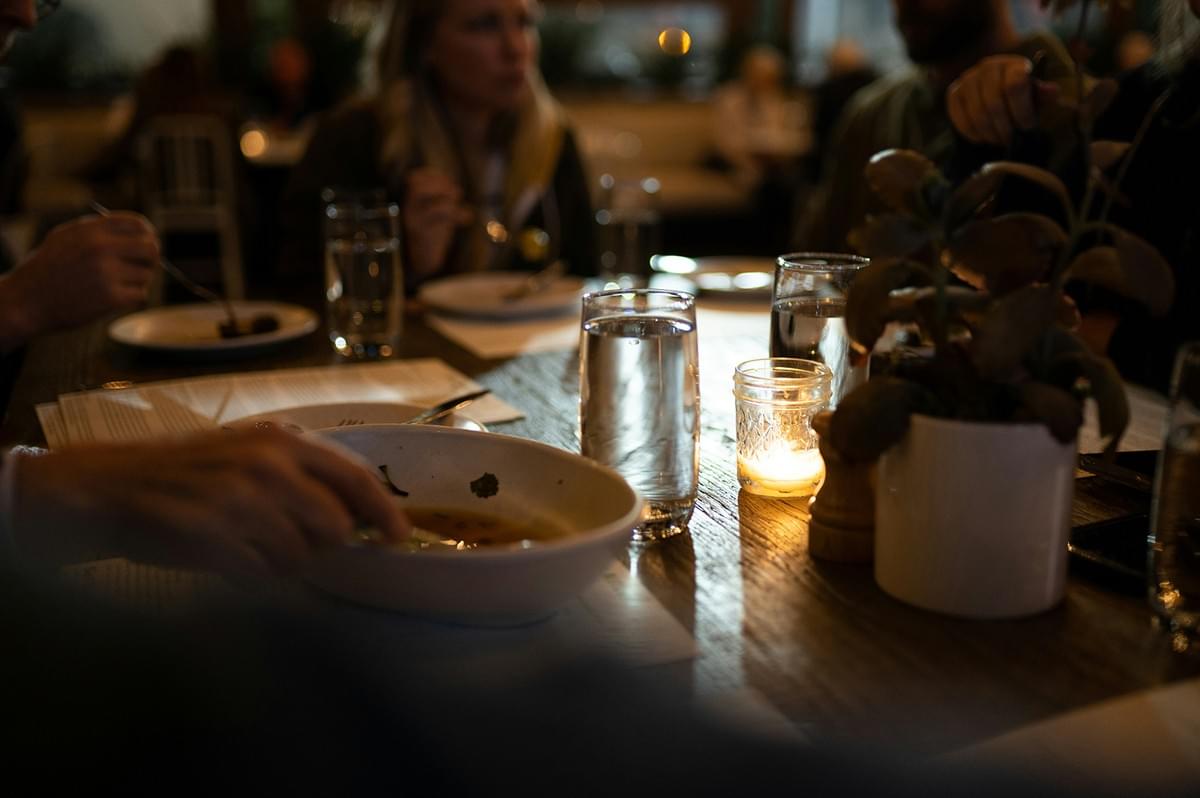
The dish had barely touched the table when my cousin asked it.
"Is this halal certified?"
Four words. The room went still in that particular way, spoons hovering, my aunt's smile tightening at the corners. She had cooked all afternoon. She had also, without meaning to, been asked to defend it.
I know both sides of that silence, because I have sat on both.
I grew up with cultural halal food that was trusted because of who made it, where they bought it, the reputation of the shop uncle who had sold to my grandmother for thirty years. That kind of halal trust was inherited, unspoken, woven into family food traditions like salt into rice.
Then came a different world. Longer ingredient lists. Supply chains I could not see. Emulsifiers I could not pronounce. For many of us, halal certification became a way to feel sure again, a small logo standing in for a trust we could no longer take for granted.
Here is what I have come to believe: both come from love.
The older generation is not being careless. They are offering you the same confidence that fed them, that fed their parents. To question it can feel like questioning them.
The younger ones asking about certified halal are not being suspicious. They are trying to hold onto their faith in a food landscape that has grown complicated and opaque.
Neither side is wrong. That is what makes it tender.
The mistake is treating it as an argument to win. It is not. It is a conversation two generations are having about the same thing, care, from opposite ends of a changing world.
So I have started asking differently. Not "Is this certified?" across a full table, but quietly, gently, curious rather than accusing. And I have started listening when my elders explain why they trust what they trust.
Muslim dining choices are personal. They carry memory and conviction at once. We can honour both.
Asking about halal does not mean rejecting your culture. Respecting your culture does not mean ignoring the questions this era demands.
Before your next family dinner turns quiet, have the conversation early, and have it kindly. Let the food stay what it has always been: love, passed from one hand to another.
