

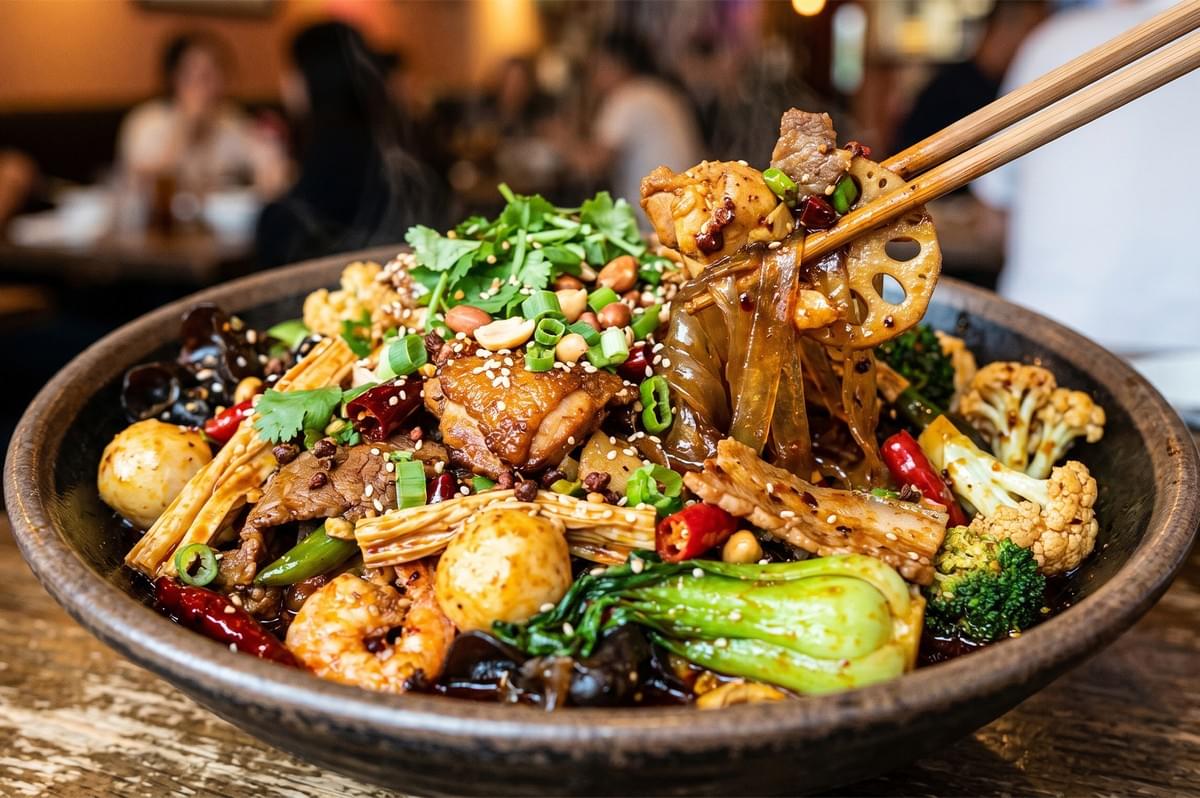
Every evening in Singapore, there’s a little ritual I can’t get enough of. I grab a huge plastic bowl, pick up a pair of metal tongs, and join a queue filled with the warm scent of roasted chilies and eager anticipation. As I inch forward, I pile my bowl high with lotus root, enoki mushrooms, and sliced beef. Then, I hand it over to the person at the counter, tell them exactly how spicy I want it, and wait for the magic to happen.
About ten minutes later, I’m sitting in front of a steaming, bright red mountain of halal mala hot pot goodness. My lips tingle, my forehead starts to sweat, and I feel happier than I have all day. That’s the irresistible charm of halal mala that so many Singaporeans, including me, just can’t get enough of right now.
Halal spicy food options in Singapore have really blossomed recently, but mala holds a special place in my heart. It’s not just about the heat, it’s a complex, deeply layered experience that comforts me after a long, tiring day.
The Roots of the Red Oil: Mala Hot Pot Origins and Paya Lebar Square's Cantine
To understand the obsession, we have to look at where this bold flavor profile began. "Mala" translates roughly to "numbing and spicy." The concept originates from the Sichuan province of China, a region famous for its aggressively flavorful, chili-laden cuisine. Historically, this base was used in mala hot pot to combat the cold and damp weather.
When the dish arrived in Singapore, it naturally adapted to our local rhythms. While traditional mala hotpot experiences remain incredibly popular, we also fell completely in love with "mala xiang guo," the dry, stir-fried version of the dish. It takes all the rich, numbing oils of the hot pot and coats a custom selection of ingredients in a fiery, fragrant wok hei.
One of the most talked-about halal mala hot pot stalls is located at Paya Lebar Square's Cantine. This popular spot offers a delicious and authentic halal mala experience, where diners can pick from a wide variety of fresh vegetables, meats, and seafood. Prices here are charged based on the weight of the ingredients, so be sure to check your bowl carefully before you pay the bill.
The Anatomy of Fiery Comfort: Spice Level, Oil, and Taste Balance in Halal Mala Hotpot
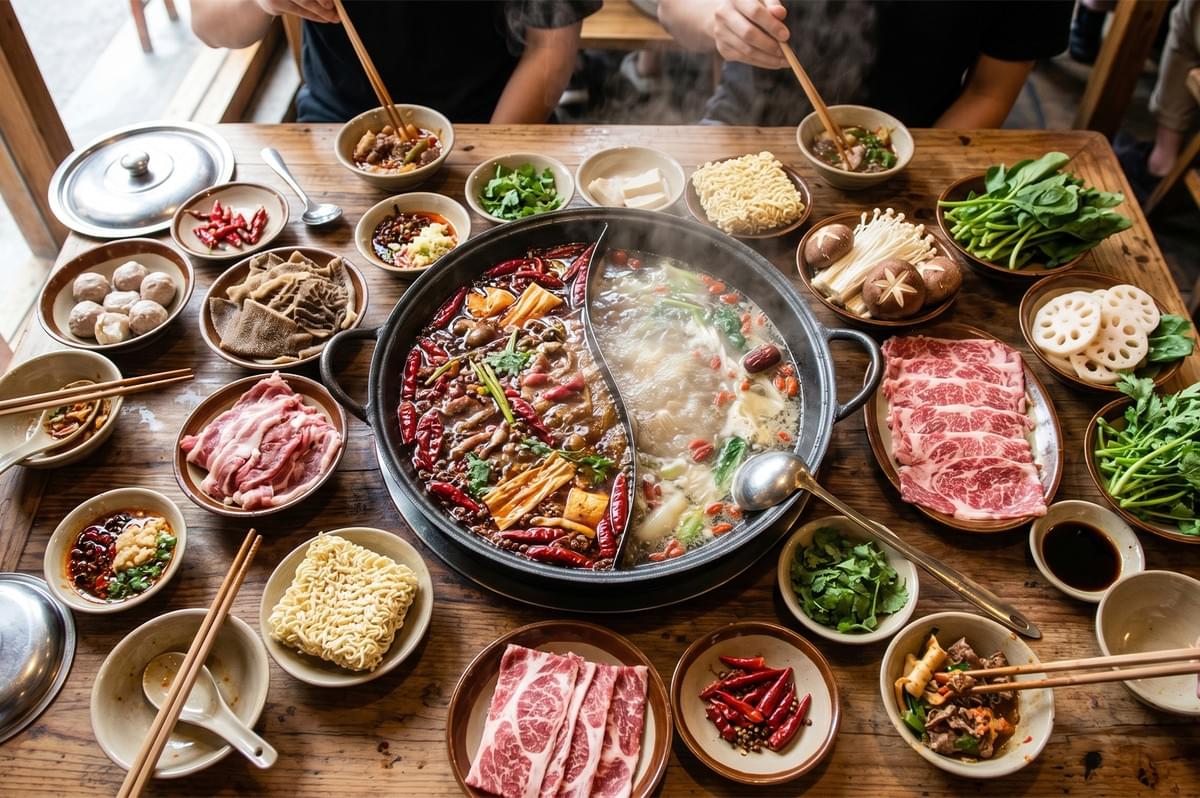
We often describe comfort food as something soft, mild, and familiar. A bowl of chicken soup or warm porridge usually comes to mind. So, why do we crave something that physically makes our mouths tingle?
The answer lies in the endorphin rush. Eating spicy food triggers a natural chemical reaction in our bodies, providing a genuine sense of euphoria and relaxation. When you combine that physiological response with the communal aspect of sharing a massive bowl of mala hot pot with friends, you get the perfect recipe for stress relief. It is loud, it is messy, and it demands your complete attention. You cannot worry about your inbox when you are trying to navigate a perfectly spiced piece of beef.
Note that many halal mala stalls now offer options with less oil or less spice for those who prefer a lighter or milder experience. This means you can enjoy the delicious taste without the usual oily heaviness that mala is sometimes known for.
Trivia: Did you know that the numbing sensation in mala comes from the Szechuan peppercorn, which is not actually a pepper but a dried husk of a seed from the prickly ash tree? This unique ingredient is what sets mala apart from other spicy cuisines.
What Makes Halal Mala Hot Pot Special? Ingredients, Halal Certification, and Flavor
As the demand for this fiery dish skyrocketed, the local dining scene had to evolve. Traditional mala hotpot bases often rely on pork bone broth or lard to achieve their signature richness. For a long time, this meant the experience was out of reach for many diners looking for halal options.
Today, halal mala hot pot is prepared in accordance with Islamic dietary laws by substituting non-halal ingredients with halal-certified alternatives. Chefs have discovered brilliant ways to replicate that essential richness using high-quality vegetable oils, robust chicken fat, or deeply savory beef tallow. The broths are slow-boiled using chicken or beef bones to create a thick, cloudy base that holds the spices perfectly.
Halal mala hot pot stalls, including those located in Paya Lebar Square, ensure strict separation and incredibly mindful handling of all ingredients. This level of transparency provides diners with total peace of mind, allowing them to focus entirely on the flavor and spice level they love.
Breaking Down the Misconceptions About Halal Mala Hotpot: Oily, Expensive, or Just Good Taste?
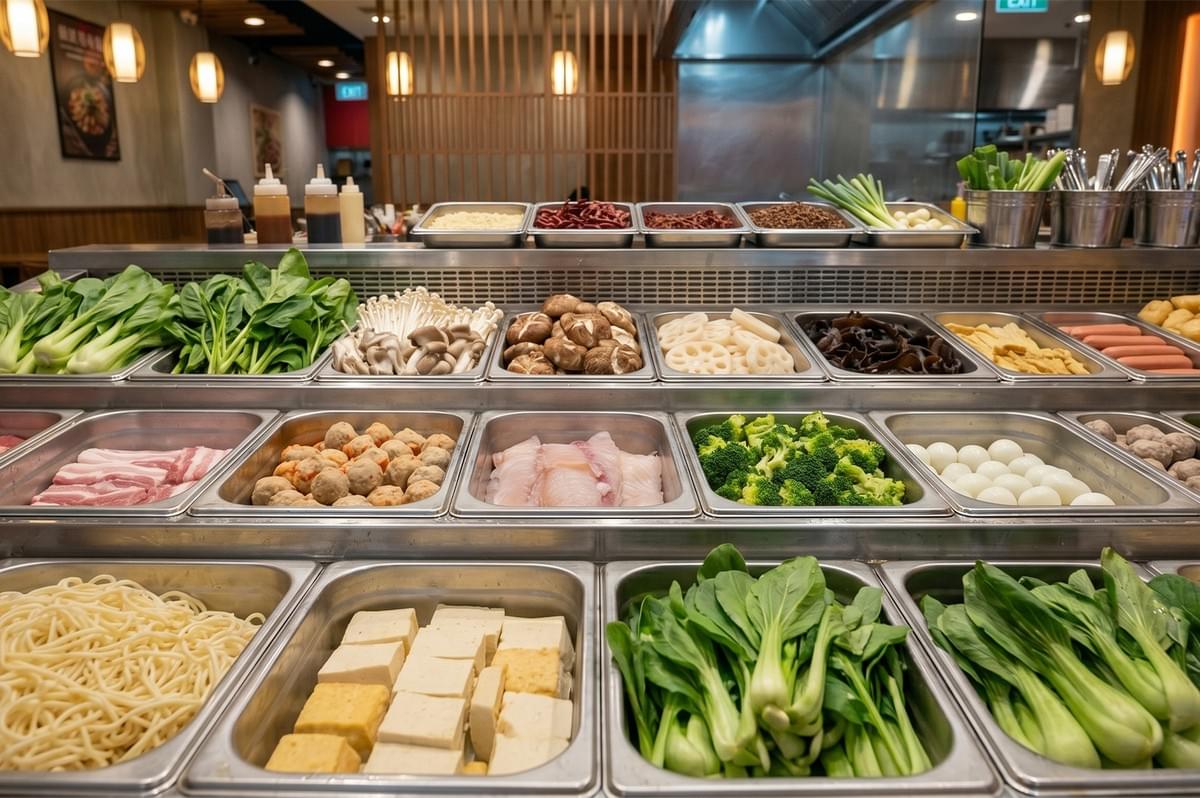
When people first encounter halal mala, they often assume it is just a test of endurance or that it will be overly oily or expensive. However, many of the stalls in Singapore, especially at outlets like Paya Lebar Square's Cantine, offer good value for the quality and authenticity of the dish.
Prices are typically based on the weight of the ingredients, with vegetables costing around $1 per 100g, meats at about $3.20, and seafood at $4.20. A bowl with three vegetables and two meats can range from $7 to $14.30 depending on the stall and ingredients picked. While some find this expensive compared to other local dishes, the delicious flavor and halal certification justify the cost.
A post on social media recently shared a review of the Paya Lebar Square halal mala hot pot stall, praising the generous use of nuts and the balance of spice and flavor. If you have heard about this spot but have not tried it yet, we hope this guide encourages you to check it out.
The Sensory Experience: Ma vs. La in Halal Mala Hot Pot at Paya Lebar
To truly appreciate the craft behind halal mala hot pot, it helps to break down the sensory elements you experience with every bite. The complexity is what keeps us coming back.
- The "Ma" (Numbing): This comes directly from the Szechuan peppercorn. It is not actually hot. Instead, it creates a strange, citrusy tingle that literally numbs your lips and tongue. This sensation acts like an anesthetic, allowing you to tolerate more spice than you normally would.
- The "La" (Spicy): This is the direct, fiery heat from the dried red chilies and chili oil. It provides the warming, sweating sensation that cuts through the richness of the meats.
- The Aroma and Nuts: Before you even take a bite, you smell the toasted garlic, ginger, star anise, and cardamom. Many halal mala hot pot stalls add nuts and sesame seeds to enhance the aroma and texture, creating a deliciously crunchy contrast.
- The Crunch: The contrast of textures is crucial. The crisp snap of lotus root and black fungus provides relief from the heavy, oily noodles and tender meats.
Enjoying Halal Mala Hotpot Across Singapore: Paya Lebar and Beyond
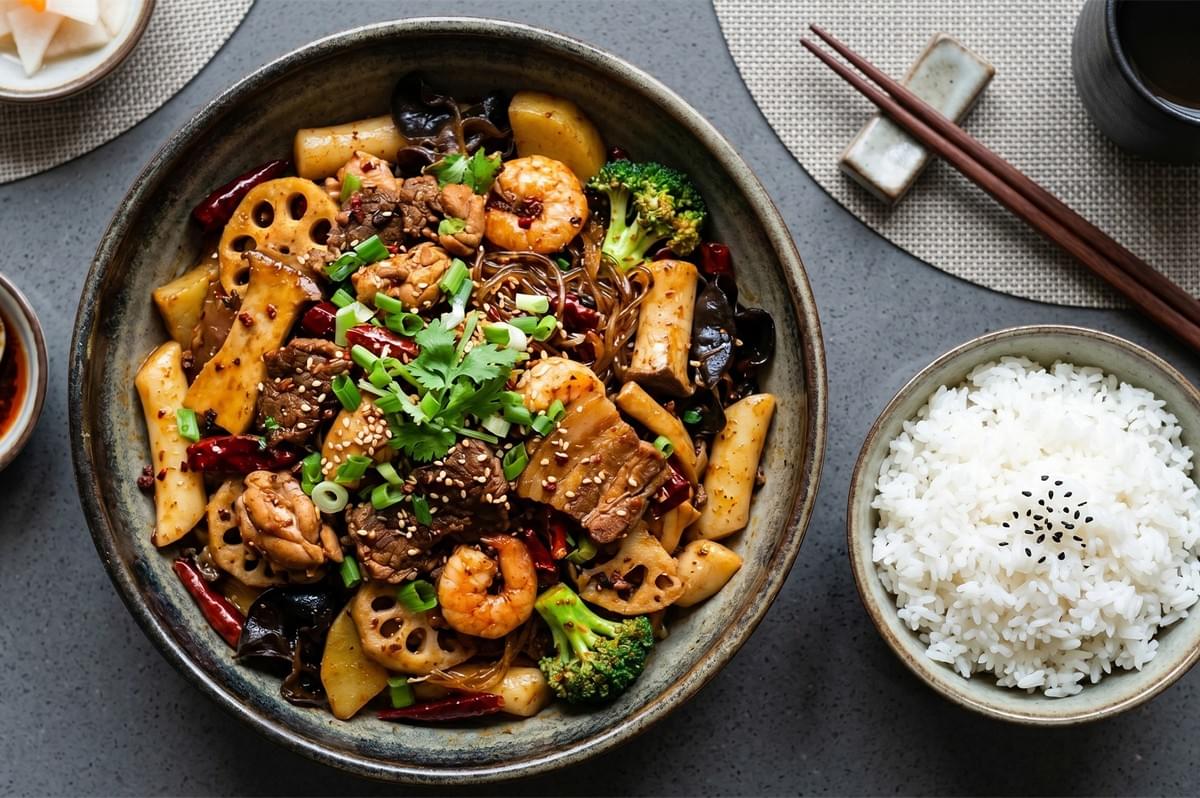
The sheer visibility of halal mala hot pot in Singapore right now is a testament to how our food culture constantly evolves. You no longer have to hunt for a specialty restaurant hidden away in a specific neighborhood. You can find outstanding, wok-charred halal mala hot pot in air-conditioned mall food courts, bustling hawker centers, and dedicated late-night supper stalls.
If you love mala hotpot but want to avoid the usual oily heaviness, keep an eye out for stalls offering less oil or lighter spice levels. Remember to check the bill carefully as pricing is based on the weight of the ingredients you pick. With so many stalls around Singapore, including multiple outlets at Paya Lebar, there’s always a new halal mala hot pot experience waiting to be enjoyed.
The next time you crave a fiery, comforting meal, head to Paya Lebar Square's Cantine and pick your favorite ingredients for a bowl of halal mala hot pot that will leave your taste buds tingling and your heart satisfied. Don’t forget to pair it with rice for the perfect balance.
Be sure to explore TheHalalFoodFinder.com to discover the most reliable, flavor-packed, halal meals and dining experiences in your neighborhood.
