

The first thing I remember is the smoke.
It drifted out of a small grill somewhere off a side street near Arab Street in Singapore, carrying the smell of lamb fat hitting hot coals. I hadn't even ordered yet. I just stood there, watching a man fan the flames with a piece of cardboard, and I knew the evening was already going somewhere good.
That's the thing about Turkish halal food. It reaches you before you sit down.
I want to walk you through this culinary journey of authentic halal Turkish food the way I found it: slowly, one plate at a time, with a glass of traditional Turkish tea never far from my hand. Not as a checklist, but as a place worth lingering in.
Why Authentic Turkish Cuisine Feels Like Home for Halal Diners
Turkish cuisine has a quiet, natural connection with halal dining, and it isn't an accident. Turkey is a country where Islamic dietary laws run deep, so much of what lands on the table already fits within halal standards.
Lamb, beef, and chicken carry most of the meat dishes. Pork rarely enters the picture, and alcohol is strictly avoided in halal Turkish cuisine, ensuring adherence to halal guidelines. That familiarity matters. It means you can walk into many halal Turkish restaurants in Singapore, especially those located in Kampong Glam and around Sultan Mosque, and feel a certain ease before you've read a single line of the menu.
I still check, of course. More on that later. But there's comfort in a cuisine that was built, over centuries, around the same halal values you carry to the table yourself. This authenticity is what draws both locals and visitors seeking authentic Turkish food experiences.
Many halal Turkish restaurants in Singapore, such as Mavi Turkish Restaurant, Anatolia Restaurant, and Zuzu, proudly serve 100% halal Turkish cuisine. These establishments emphasize ethical sourcing and humane treatment of animals, ensuring their meat is slaughtered according to Islamic procedures. This commitment guarantees that every dish, from shawarma to kebabs, is both delicious and compliant with halal standards.
A Kitchen Shaped by Empire and Sea: The Melting Pot of Flavours
Turkish food sits at a crossroads, and you can taste it.
On one side, there are the deep, spiced flavours of the Middle East: cumin, red pepper, slow-cooked meats, and herbs. On the other, the brightness of the Mediterranean: olive oil, fresh herbs, lemon, and tomatoes warmed in the sun.
Food historians often point to Istanbul's Ottoman kitchens as the great blender of these worlds. Palace cooks refined dishes that travelled across a vast empire, and what came back was authentic Turkish dishes that could be both humble and grand. A bowl of soup and a feast, cooked with the same care.
That history isn't locked in a museum. It's alive in the yogurt spooned over meze, the bread torn at every meal, the spices measured by memory rather than by scale.
The Meat, the Smoke, the Grill: The Heart of Halal Turkish Cuisine
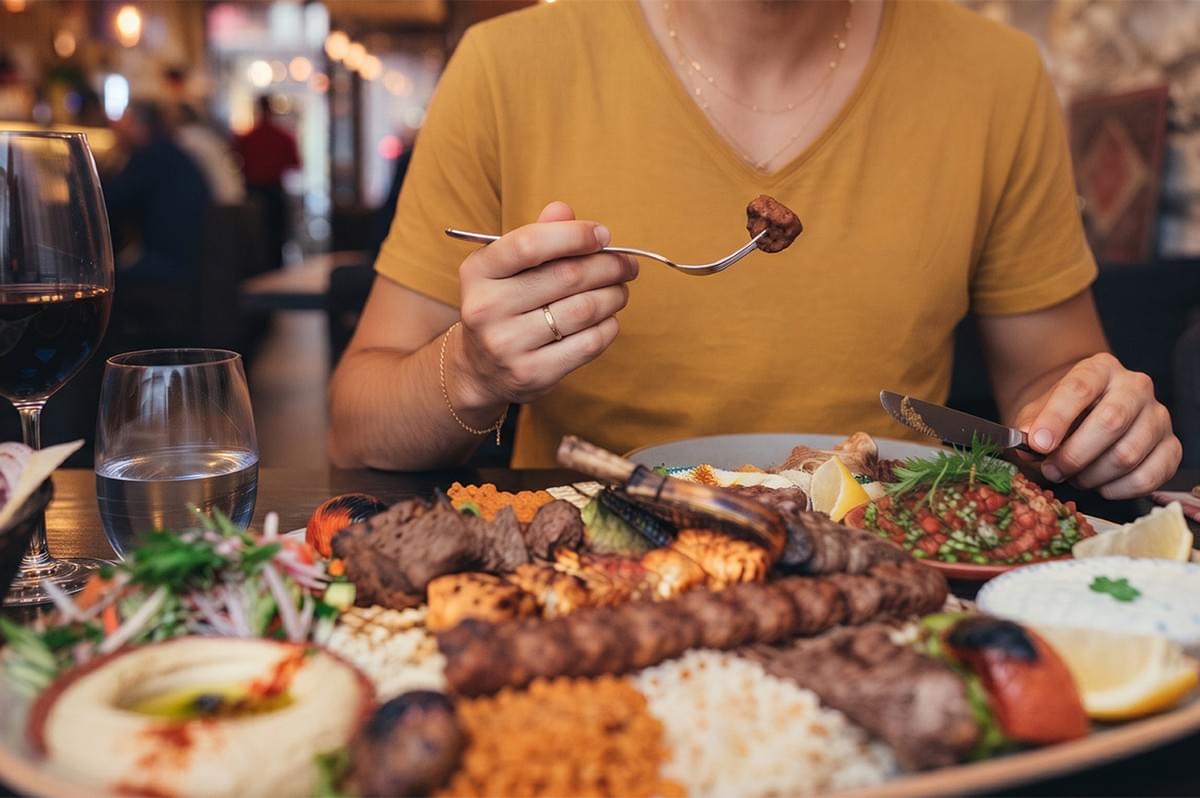
Let's start where I started. The grill.
Adana Kebab and Iskender Kebab: The Language of Fire and Tradition
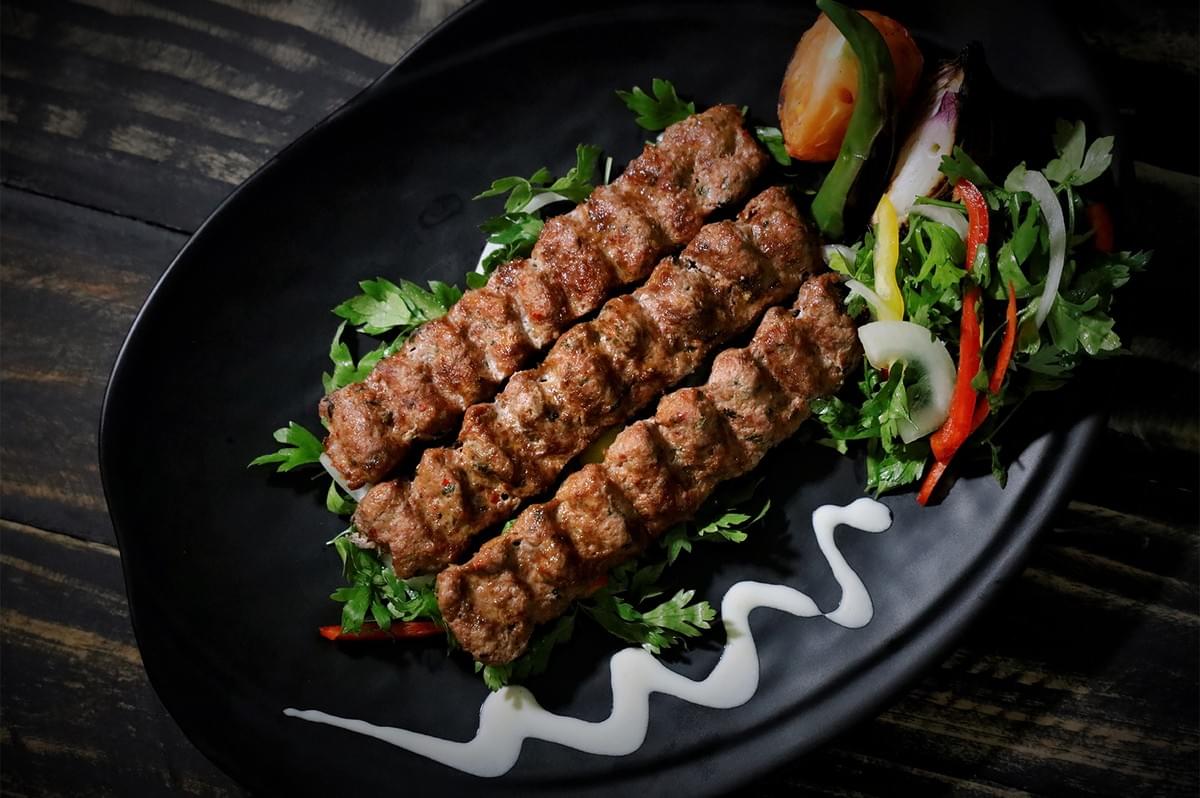
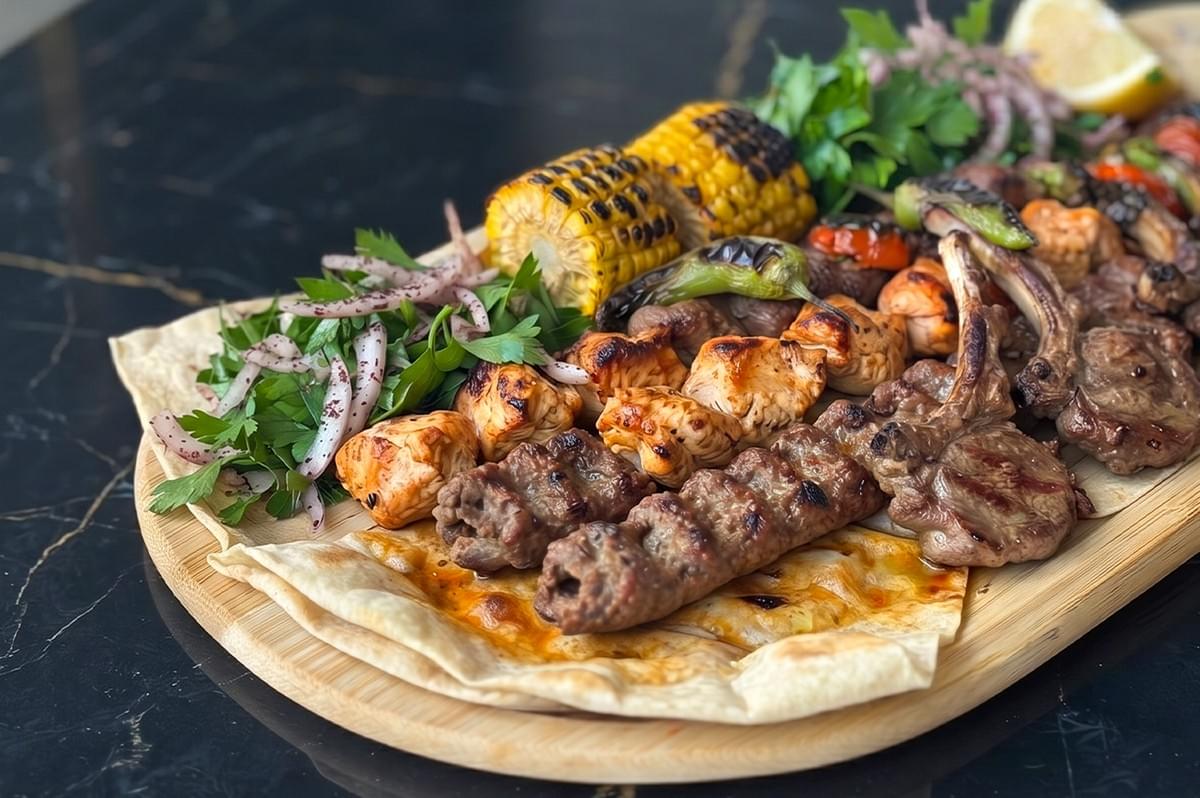
Adana kebab is minced lamb, hand-pressed onto a wide skewer, seasoned with red pepper and cooked over charcoal until the edges char and the centre stays juicy. When it arrives, it comes with a faint smokiness that clings to the meat, a little heat that builds slowly, and a softness that almost surprises you.
Iskender kebab, another authentic halal Turkish food staple, features thinly sliced lamb served over pita bread, drenched in tomato sauce and melted butter, accompanied by yogurt. This dish is a must-try for anyone eager to experience the true taste of Turkish halal cuisine.
You tear off some pide or bread, wrap a piece, add a slice of grilled tomato or a pinch of sumac onions, and suddenly you understand why people eat this again and again.
Döner and Köfte: Everyday Heroes of Turkish Food
Not everything is a celebration. Some Turkish dishes are simply woven into ordinary days.
These are the meals you eat standing up, or on a bench, or crowded around a small table with too many elbows. They don't ask for admiration. They just feed you well.
Bread, Dough, and the Things That Hold a Meal Together in Halal Turkish Cuisine
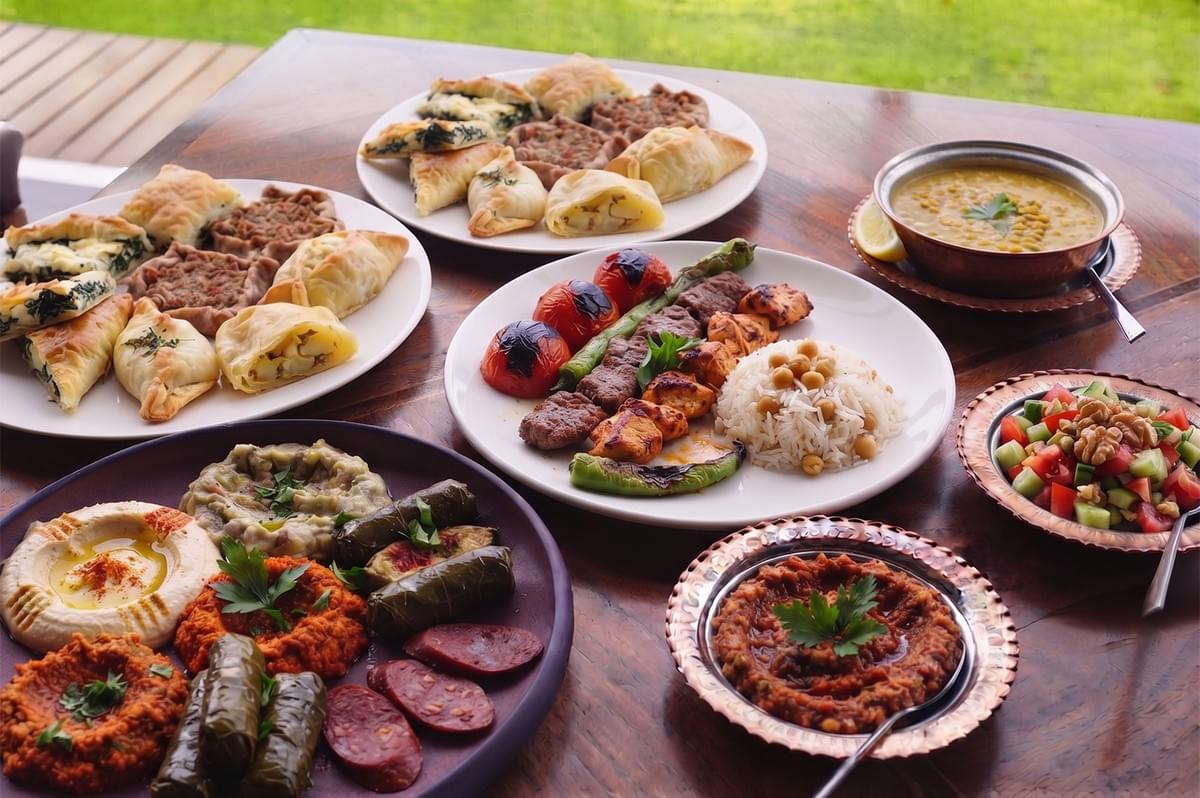
If meat is the heart of Turkish food, bread is the hands. It's always there, ready to scoop, wrap, and gather.
Lahmacun is thin dough spread with spiced minced meat, baked fast and hot, then rolled up with a squeeze of lemon and some greens. Light, crisp, a little tangy.
Pide is the boat-shaped cousin, its dough puffed at the edges, cradling cheese or meat in the middle. Warm and generous, it is often prepared fresh in the oven and served alongside other dishes.
Then there's manti, tiny dumplings filled with meat, drowned in garlicky yogurt and drizzled with pepper-flecked butter. The contrast of cool yogurt against warm dough is one of those small perfect things you don't forget.
The Quieter Plates: Turkish Breakfast and More
Turkish food knows how to slow down too.
Turkish breakfast often includes a spread of cheese, olives, tomatoes, cucumbers, eggs, and fresh bread, accompanied by strong Turkish tea. It tastes like a lazy morning and is a beloved tradition in authentic Turkish restaurants around Arab Street and Bussorah Street.
Almost everywhere, there is mercimek çorbası, red lentil soup. Smooth, warm, faintly earthy, served with a wedge of lemon. It's the dish I'd order on a tired day, the one that asks nothing of you but to sit and be fed.
Sweetness, and the Art of Finishing Well: Desserts to Delight Your Taste Buds
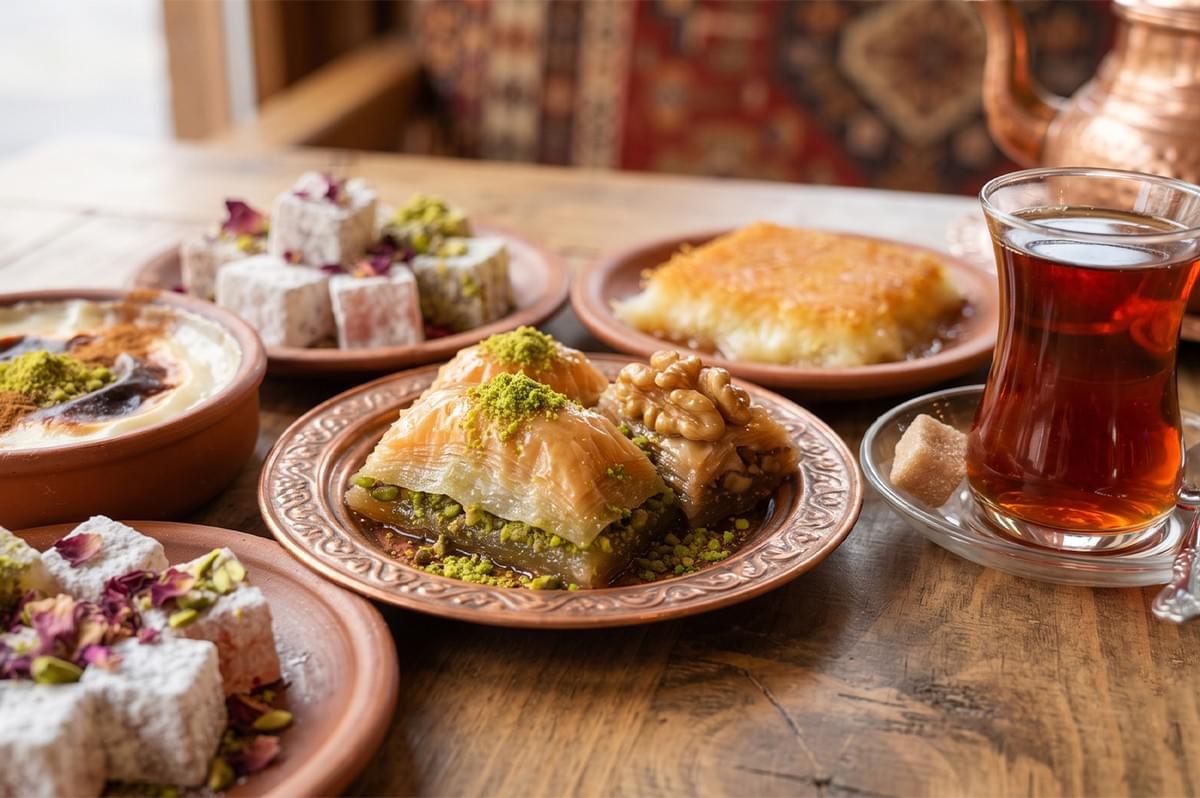
You do not leave a Turkish meal without something sweet. It would feel unfinished.
Baklava is the one most people know: layers of thin pastry, chopped nuts, and syrup, cut into small diamonds. The good stuff shatters lightly when you bite it, then turns sticky and rich. A little goes a long way, though I've rarely stopped at a little.
Künefe is warmer, wilder. Shredded pastry over melting cheese, soaked in syrup, served hot so the cheese pulls when you lift your fork. Sweet and savoury at once, and best shared while it's still steaming.
And Turkish delight, those soft, dusted cubes, often perfumed with rose or lemon, meant to be nibbled slowly beside something to drink.
Tea, and the Rhythm of Turkish Hospitality in Halal Turkish Restaurants
Which brings me to the tea.
Turkish tea arrives in small tulip-shaped glasses, dark and strong, refilled again and again. It isn't really about the drink. It's about staying a little longer.
In Turkish culture, hospitality is a language of its own. Meals are shared, plates crowd the middle of the table, and no one is in a hurry to leave. To eat this way is to be included, not just served.
Eating with Confidence: Halal Certification and Islamic Dietary Laws
Here's my honest, practical note.
Turkish cuisine is often halal-friendly, but "often" is not "always." Many Turkish restaurants abroad serve halal meat, yet some also serve alcohol, and preparation can vary.
So do what I do. Ask kindly whether the meat is halal certified and if the restaurant adheres to halal standards. Look for halal certification signage or certificates. A good halal Turkish restaurant in Singapore, especially those located in Kampong Glam near Sultan Mosque and Arab Street, will proudly display their compliance with Islamic dietary laws.
That small moment of checking isn't a burden. It's part of eating with intention, the same care that made this food what it is.
Go, and Take Your Time: Visit a Halal Turkish Restaurant in Singapore
Turkish halal food is not one dish or one flavour. It's smoke and syrup, bread and yogurt, the strong pull of tea that keeps you at the table.
Singapore is a melting pot of cultures and cuisines, and halal Turkish cuisine holds a unique place in this vibrant food landscape. Many restaurants in the city, from those near Bussorah Street to those around Sultan Mosque, offer authentic Turkish and Mediterranean food prepared to halal standards.
If you've never explored it properly, let this be your gentle push. Find a halal Turkish restaurant in Singapore, ask the right questions, and order more than you think you need. Start with appetizers like hummus and falafel, linger over kebabs and iskender kebab, finish with desserts like baklava and künefe.
Then sit back, let the tea come, and stay a while. That's where the real story is. Whether you visit for a casual meal with friends or a special occasion or private events, the service and authenticity will delight your taste buds and nourish your soul.
If you want to explore more Halal-certified restaurants in Singapore, click and visit our article Halal Italian Restaurants in Singapore
