

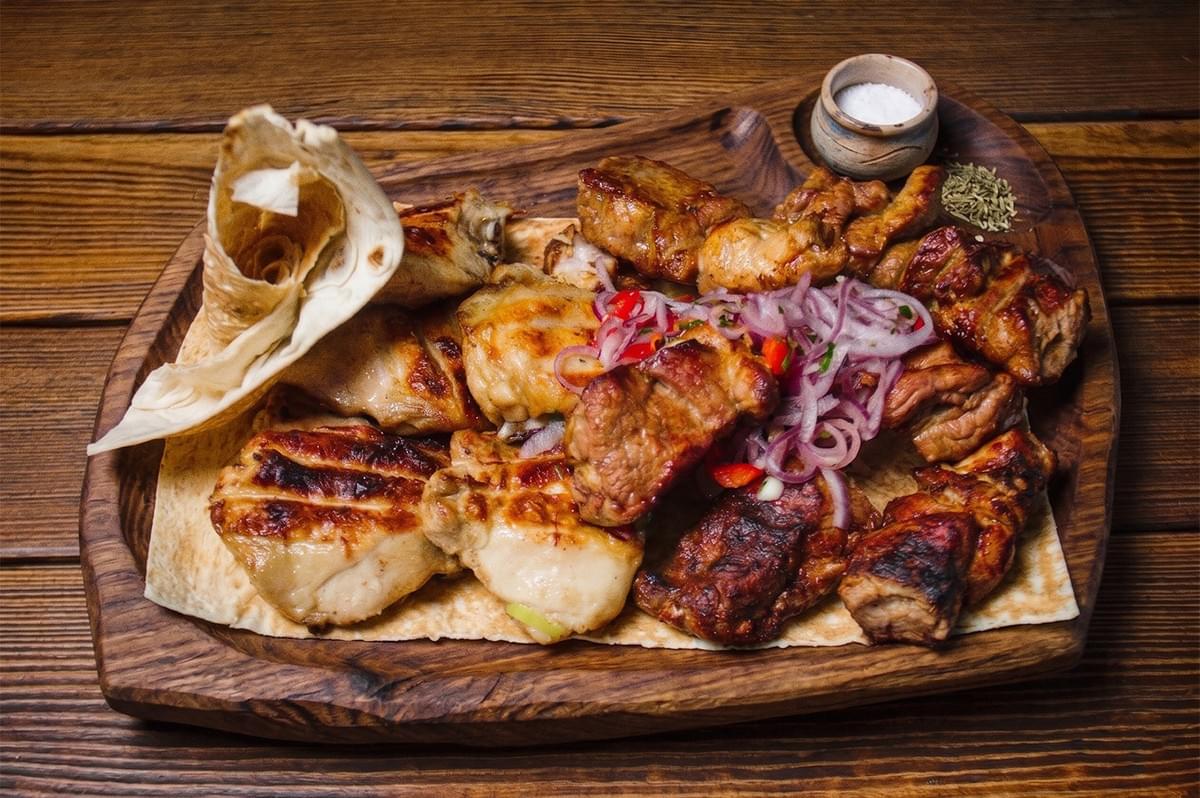
Picture an evening where the air is thick with the aroma of toasted cumin, crushed coriander, and sizzling garlic. You are sitting at a bustling table with friends. A massive, steaming platter arrives in the center, alongside baskets of blistered, freshly baked bread still radiating heat from a clay pot oven. The first bite you take is incredibly rich, layered with warming spices that bloom across your palate. This is the sensory magic of a proper, delicious Pakistani meal, made with halal ingredients that honor both tradition and faith.
When we talk about Pakistani food, we are discussing a culinary tradition that goes far beyond mere sustenance. It is an experience rooted in hospitality, warmth, and an uncompromising dedication to robust flavors prepared according to halal dietary laws. Pakistani cuisine features various types of dishes and ingredients, reflecting its remarkable diversity across regions and communities.
The Heritage Behind Traditional Pakistani Halal Dishes
To truly appreciate traditional Pakistani halal dishes, it helps to understand the landscape they come from. Across South Asian cooking traditions, geography dictates the plate. Pakistani cuisine is a fascinating crossroad, blending the aromatic, spice-heavy techniques of the Indian subcontinent with the meat-centric, grill-focused traditions of Central Asia and the Middle East, all while adhering to halal guidelines that exclude pork and alcohol.
The culinary traditions of different regions in Pakistan, such as Balochi and Pashtun cuisines, showcase unique flavors and cooking methods influenced by local cultures and geography, and highlight the use of various types of spices and ingredients that define traditional food.
In many Pakistani households, cooking is a labor of love that requires patience. The base of a good spicy gravy might take hours to build, slowly caramelizing onions and carefully blooming whole spices like ginger, garlic, and black cardamom in hot oil or butter. Salt is essential for flavor balancing in Pakistani cooking, enhancing the taste of dishes from raita to naan and even chai.
What Makes Pakistani Halal Cuisine Distinctive
If you are new to this cuisine, you might wonder what sets it apart from its neighbors. The most noticeable difference is its unabashed celebration of halal meat. While neighboring regional cuisines often feature extensive vegetarian repertoires, Pakistani menus heavily emphasize halal beef, mutton, lamb, and chicken.
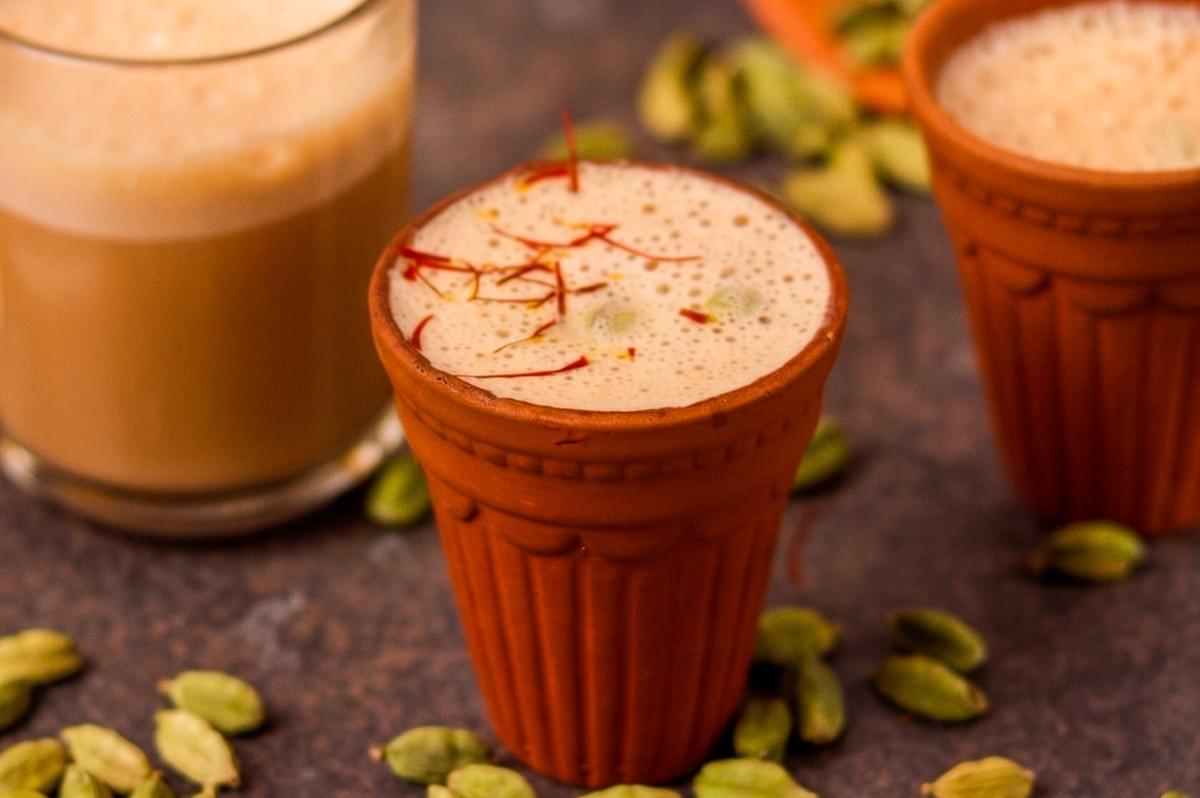
Tea holds a special place in Pakistani culture, with popular varieties such as Masala Chai, Kashmiri Chai, and green tea commonly enjoyed throughout the country. Authentic chai is typically prepared using black tea leaves or regional tea leaves, contributing to its distinctive taste.
The diversity of traditional food and pakistani recipes, from biryani to pickles, reflects the rich culinary heritage of the region. Many pakistani recipes are easy to follow, making them accessible for home cooks seeking authentic flavors with simple, foolproof instructions.
Famous Halal Food: The Ultimate Comfort in Pakistani Dishes
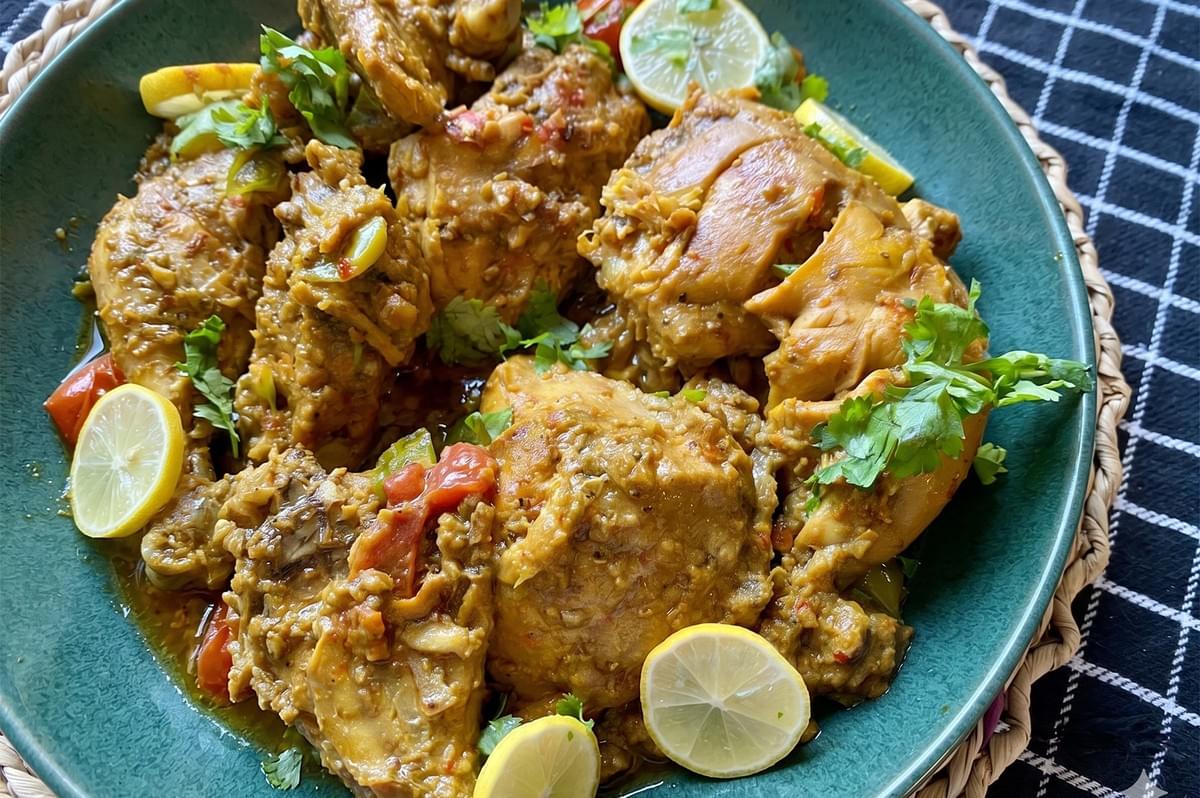
When you tear a piece of warm roti or roghni naan made from wheat flour and dip it into a thick, slow-simmered spicy gravy, it triggers a deep sense of contentment. Dishes like Chicken Karahi, which is considered one of the most famous dishes in Pakistan and often regarded as a national food, feature a thick tomato-based curry cooked in a cast-iron pan called a karahi. These delicious comfort foods are often enjoyed for lunch or dinner.
This comfort is amplified by how the food is eaten. Pakistani dining is inherently communal. Platters are meant to be shared, and passing dishes around the table encourages conversation and connection. It turns a simple dinner into a memorable event where everyone gets to taste a little bit of everything, all prepared with halal ingredients that respect cultural and religious traditions.
Highlighting the Stars of the Pakistani Halal Recipes Menu
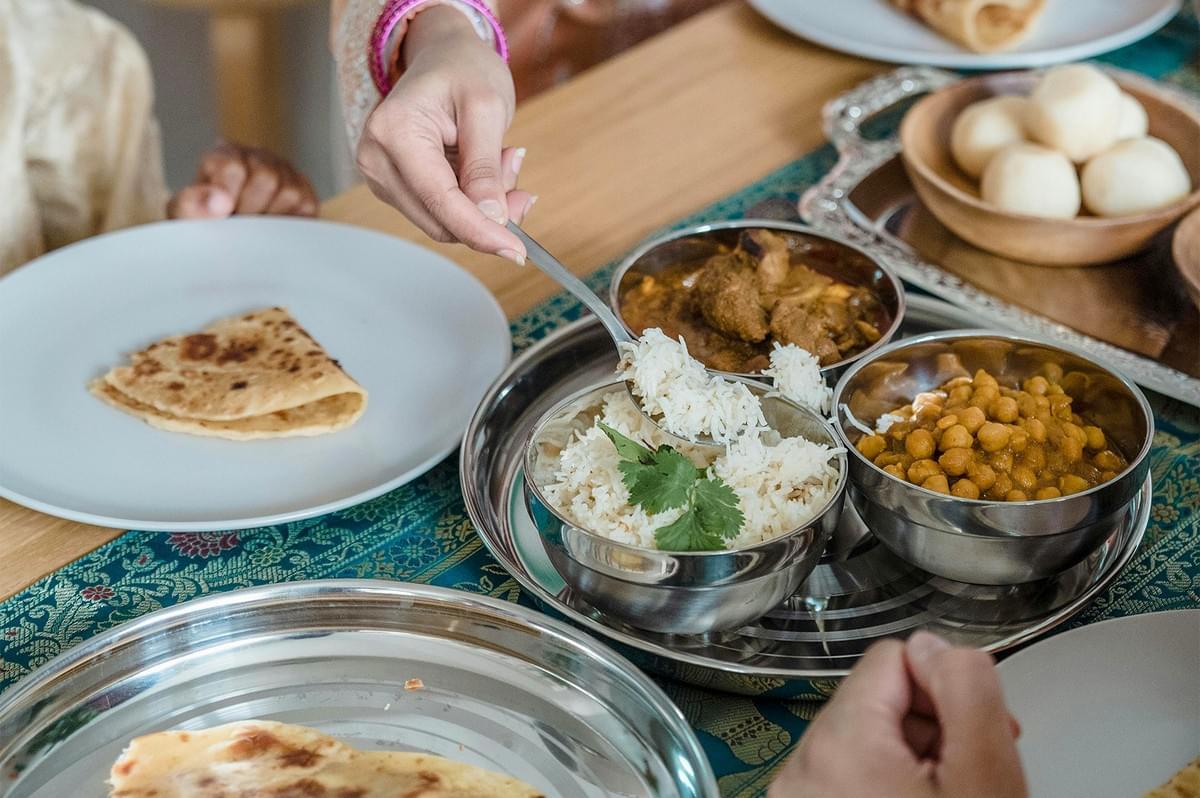
Instead of a strict checklist, I like to think of Pakistani halal dishes in terms of the moods and moments they satisfy. This section will highlight a curated list of Pakistani recipes, showcasing various types of traditional food that represent the diversity and authenticity of Pakistani cuisine. Known for its aromatic dishes, Pakistani cuisine features a variety of spices such as brown cardamom, green cardamom, cinnamon, cloves, nutmeg, mace, star anise, and black pepper, which create rich and enticing flavors.
Common spices like cumin seeds, chili powder, turmeric, and bay leaves are also frequently used in Pakistani cooking, contributing to the depth and complexity of each dish. Many of these recipes are easy to follow, making it simple to prepare delicious meals at home, whether you’re seeking a quick bite or a slow-cooked classic. From overnight stews to quick-fired wok dishes, there is something to match every craving.
Slow-Cooked Marvels: Nihari, Haleem, and Yakhni Pulao
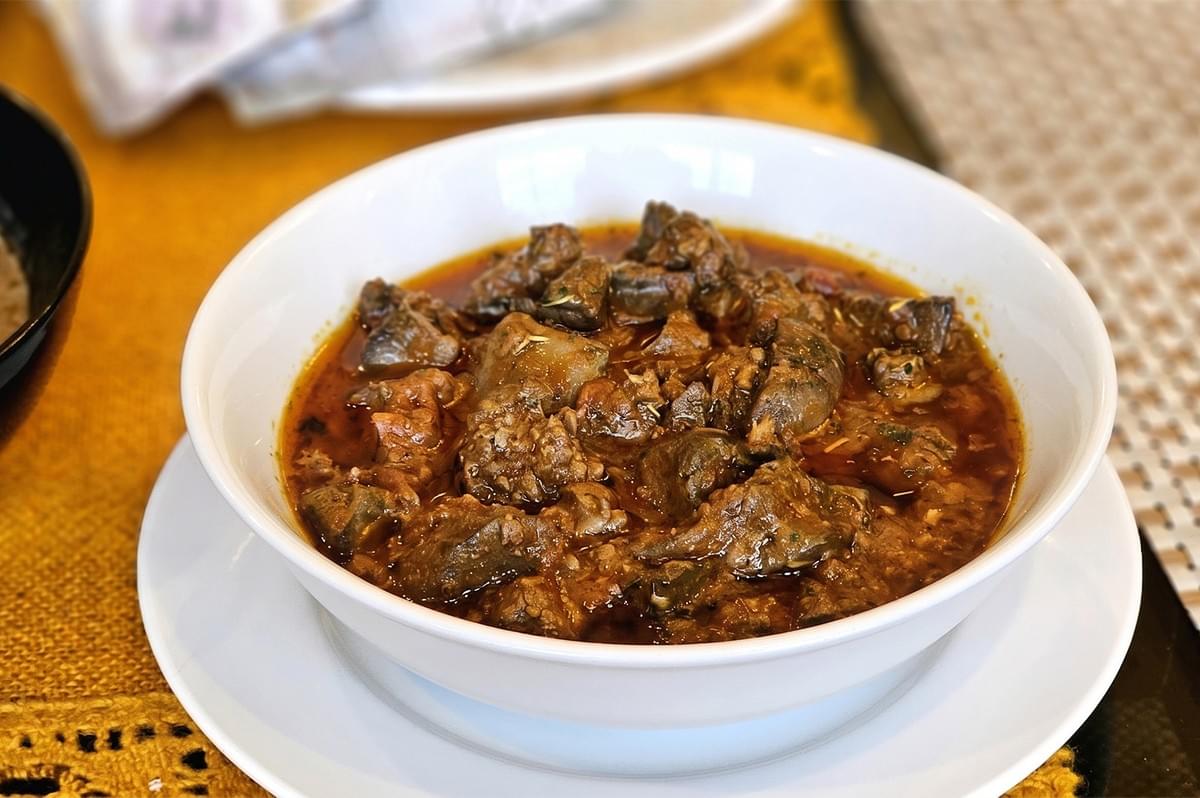
When you want something incredibly tender and deeply flavored, you look for dishes that take hours, or even days, to prepare. Nihari is a perfect example. Nihari is a traditional meat stew, often referred to as the national dish of Pakistan, typically made with lamb, mutton, or beef, and is known for its rich flavor and slow-cooked preparation. This dish dates back to the Mughal empire and is often enjoyed as a breakfast dish. It is a legendary halal beef stew, often made with beef shank, that simmers gently overnight. The marrow melts into the heavily spiced broth, creating a silky, luxurious texture that is traditionally eaten for breakfast but is beloved at any time of day.
Yakhni pulao is another traditional rice dish cooked in a clay pot with aromatic spices, halal meat broth, and basmati rice. Basmati rice is preferred in Pakistani cuisine for its unique aroma and long grain architecture. It’s a savory, fragrant dish often served with a side dish of salad or raita.
Biryani is a popular Pakistani dish made with layers of curried rice and meat, known for its vibrant colors and distinct flavors, and is recognized for its vibrant colors and aromatic spices. Pakistani Biryani differs from Indian Biryani in spice usage and ingredients, making it unique in its own right.
The Sizzle of the Grill and Wok: Kebabs, Chicken Jalfrezi, and Grilled Meat
Whether it is the melt-in-your-mouth texture of minced meat skewers or heavily marinated boneless chicken pieces, the charcoal grill imparts a beautiful char that cannot be replicated indoors. Regional dumplings such as Mantu, with their Central Asian origins, are also enjoyed in parts of Pakistan, typically filled with seasoned minced meat and onions, reflecting the country's diverse culinary influences.
For a dramatic centerpiece, the karahi is unbeatable. Named after the heavy, wok-like pan it is cooked in, chicken jalfrezi is a popular Pakistani dish featuring boneless halal chicken stir-fried with bell peppers, onions, and tomatoes in a thick, spicy gravy. It is fresh, vibrant, and arrives at the table still bubbling.
The Crown Jewel: Biryani, Chana Pulao, and Matar Pulao
No exploration of Pakistani halal cuisine is complete without mentioning biryani. The Pakistani variation, particularly the Sindhi style, is fiercely beloved. It features distinct layers of intensely spiced halal meat masala and fragrant basmati rice, often studded with soft potatoes and dried fruit like plums or raisins. It is a celebratory dish that manages to be both complex and incredibly comforting.
Other beloved rice dishes include chana pulao, a chickpea and rice pilaf, and matar pulao, a fragrant peas and rice dish. Vegetables play a vital role in Pakistani cuisine, with seasonal vegetables cooked with traditional spices and commonly served with roti or rice as part of everyday meals. Dishes like Aloo Baingan, made with eggplant and potatoes in a spiced curry, and Daal, a popular lentil curry, especially Daal Mash, which uses white urid lentils, are staples across the country.
In the northern region of Gilgit Baltistan, noodle dishes such as Dawdaw, a noodle soup with handmade noodles served in a meat broth, reflect the diverse culinary influences found throughout Pakistan. These dishes are often served alongside traditional breads and side dishes like salad or raita to balance the meal.
Breads in Pakistani Cuisine: The Essential Companion
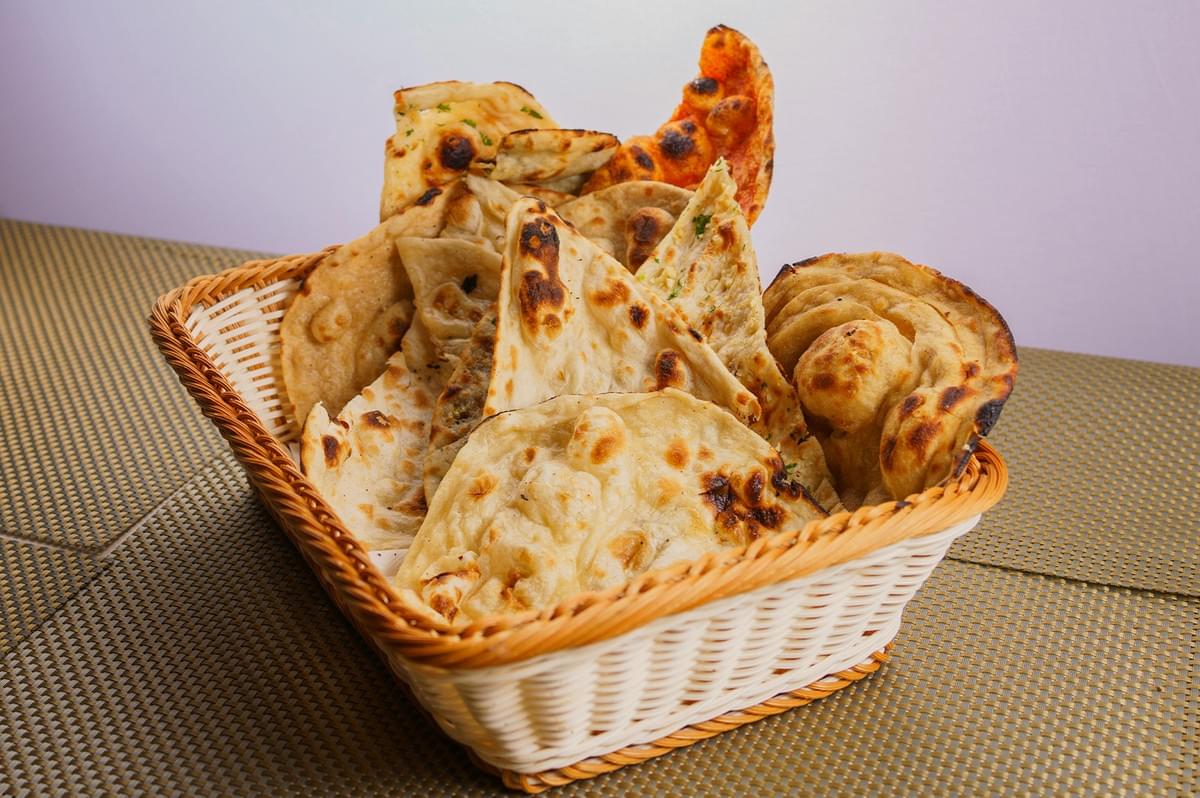
In Pakistani cuisine, bread is far more than a simple side, it is the heart of the meal, the vessel that brings together the bold flavors of curries, grilled meat, and savory stews. Whether you’re enjoying a family dinner or a festive gathering, no table is complete without a basket of freshly prepared bread, warm and fragrant from the oven or griddle.
The most common bread in Pakistani cooking is roti, a soft, round flatbread made from wheat flour. Roti is a daily staple, perfect for scooping up spicy gravies and tender morsels of meat. Its versatility makes it a favorite across all regions, pairing effortlessly with both vegetarian and meat-based dishes. For special occasions or when a richer flavor is desired, roghni naan takes center stage. This leavened bread, often baked in a clay pot tandoor, is brushed with butter or cream and sprinkled with sesame seeds, resulting in a pillowy, slightly crisp texture that’s ideal for soaking up the complex sauces of traditional Pakistani dishes.
Paratha, another beloved bread, is layered and pan-fried, offering a flaky, indulgent bite that complements hearty curries and grilled meats alike. Each region of Pakistan boasts its own variations, from stuffed parathas filled with spiced potatoes or minced meat to the subtly sweet sheermal, enriched with milk and a hint of sugar.
What to Notice When Ordering at a Pakistani Halal Restaurant
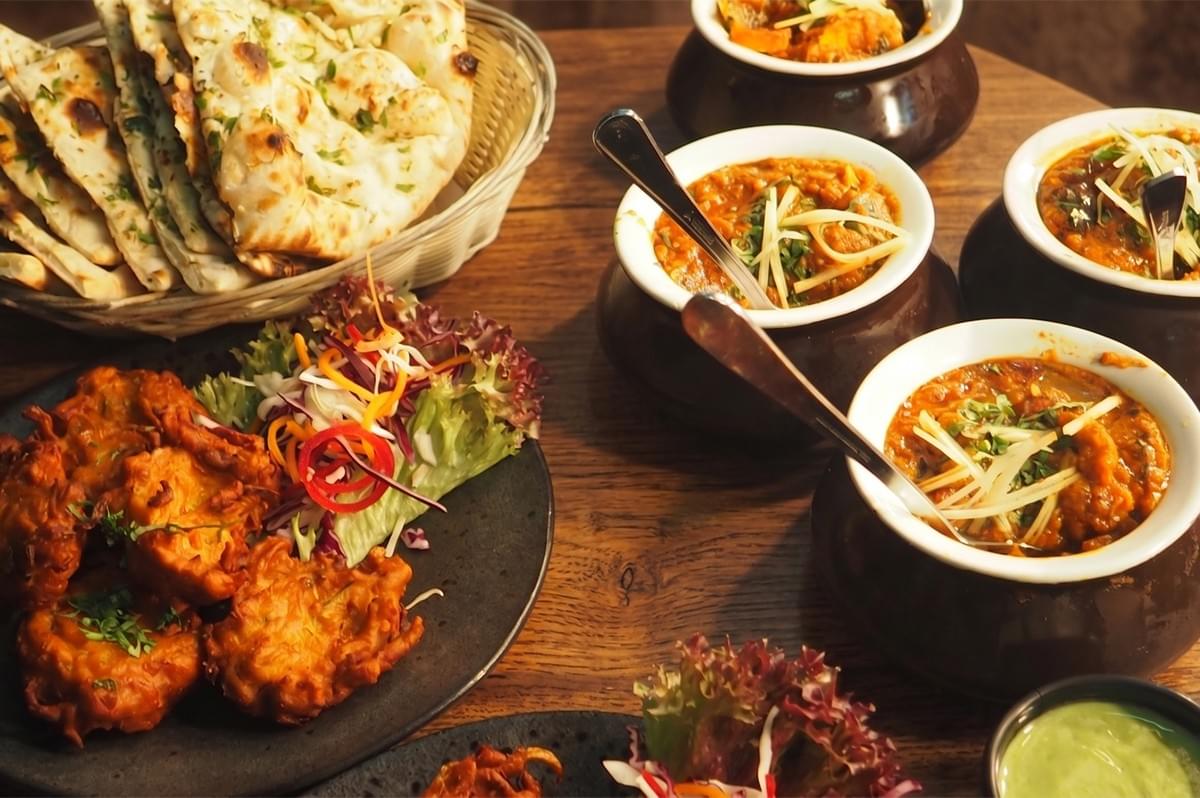
Navigating a halal Pakistani restaurant becomes much more fun when you know how to build your meal. The secret lies in balancing your textures and choosing the right vehicle for your gravies.
Here are a few gentle suggestions to keep in mind when putting together your order:
- Pair thick, rich gravies like nihari or korma with fluffy, baked roghni naan to soak up the heavy sauce.
- Choose thinner, everyday breads like roti or chapati as the most common bread to accompany dry stir-fries or lighter vegetable side dishes.
- Always order a cooling side dish of raita (seasoned yogurt with salt) or a crisp, acidic salad to cut through the richness of the main courses.
Pakistanis drink large amounts of tea, especially chai, which is deeply embedded in the culture, and green tea is also a common menu item for those seeking a lighter, herbal option. Salt is often used to season raita and other side dishes, enhancing the overall flavor balance of the meal.
Gently Correcting Common Misconceptions About Pakistani Halal Food
There is a persistent myth that all Pakistani food is overwhelmingly fiery. While it is certainly heavily spiced, “spiced” does not always mean “spicy hot.” The complex masalas are used to build warmth and aroma. If you are sensitive to chili heat, you can easily ask the kitchen to tone it down. The underlying flavor will still be spectacular.
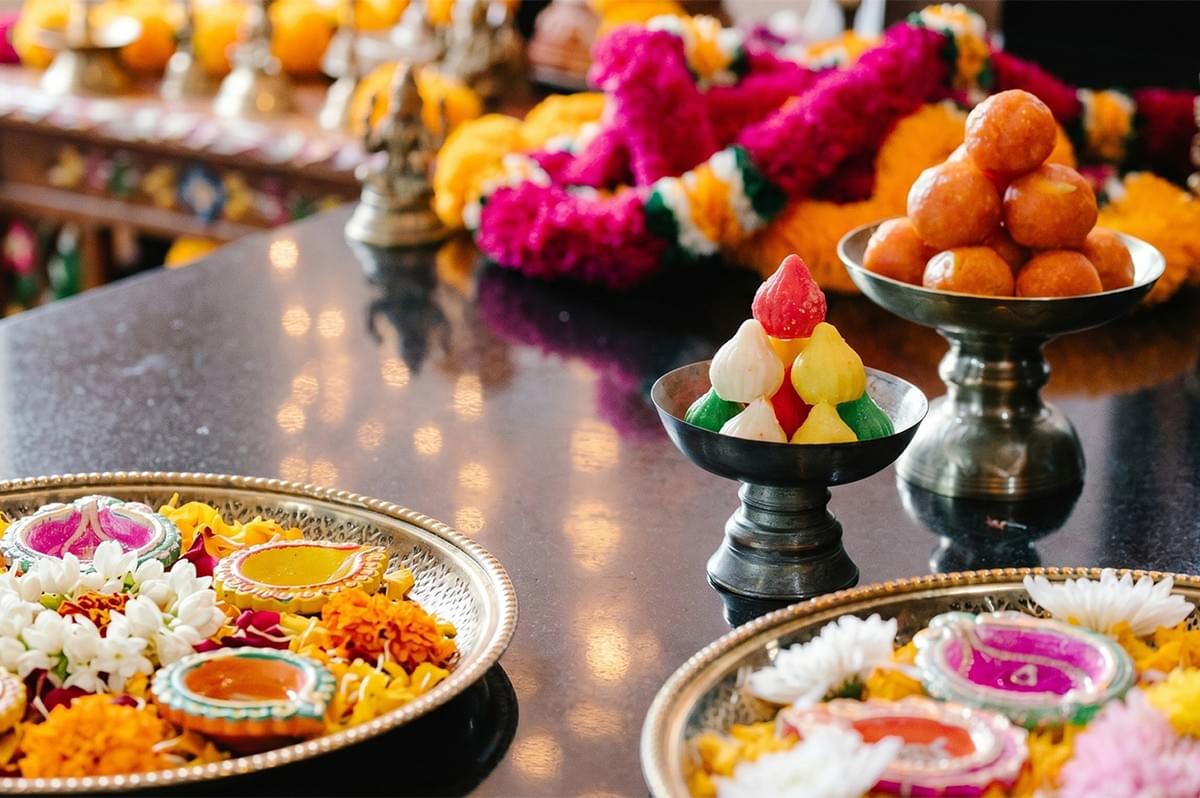
In fact, Pakistani cuisine features various types of dishes and ingredients, not just spicy foods, there is a wide variety of delicious desserts such as sheer khurma, jalebi, and gulab jamun, which are integral to festive occasions and everyday meals.
To find out more on Halal food and discovery on Haji Lane Singapore click and visit A Culinary Journey Through Kampong Glam’s Vibrant Flavours and Haji Lane Singapore Food
