

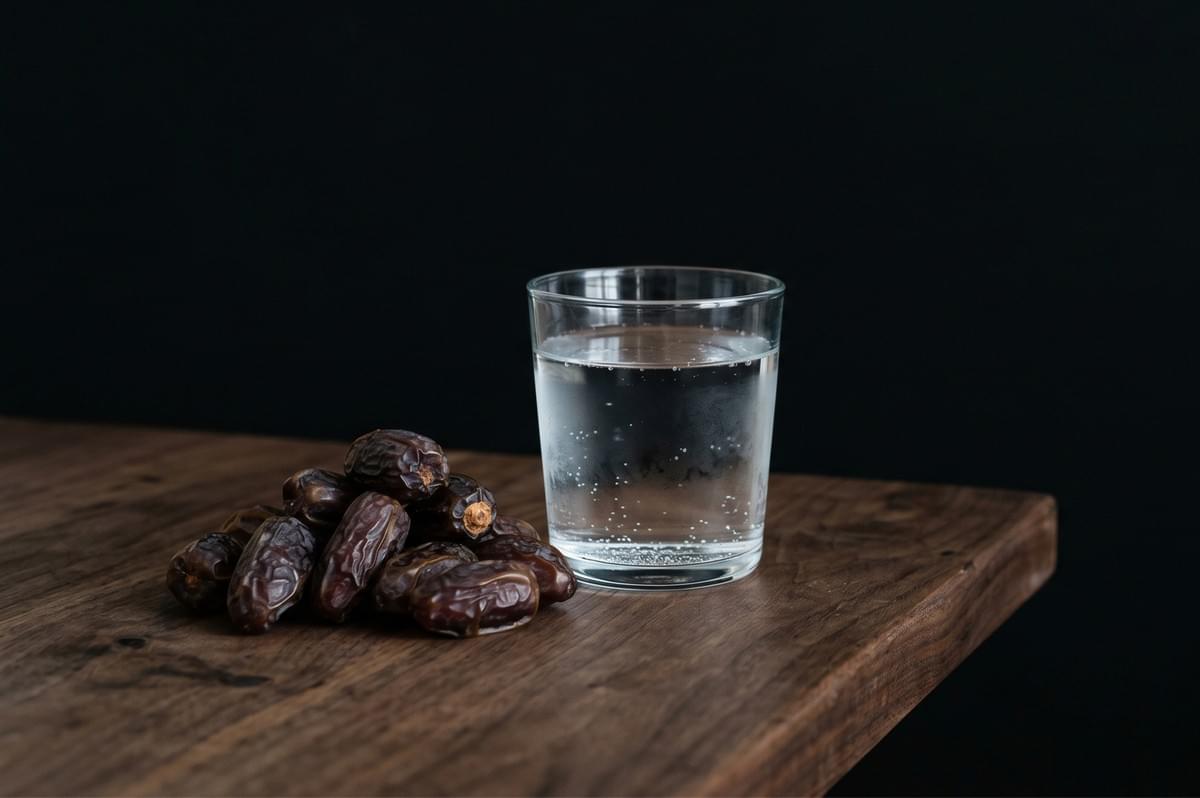
The sky turns soft and golden, then deepens to amber. Somewhere a call drifts across rooftops, and a hush settles over the table. Hands hover near a plate of dates. There is a small, shared breath, a pause that feels almost sacred, and then the first sip of water. Cool, simple, and somehow the best thing anyone has ever tasted. Plates begin to clink, voices rise, and the day's long quiet gives way to gratitude.
I love that moment. No matter where you are in the world, that gentle exhale before the first bite feels remarkably similar. What comes next on the table, though, can look wonderfully different from one home to the next.
What Iftar Food Actually Means in Ramadan Fasting
It is part nourishment, part celebration, and part togetherness. Families gather, neighbors share, and tables stretch a little longer to fit one more guest. And while certain customs show up almost everywhere, traditions vary by region, by household, and even by personal preference. One fasting person’s iftar might be a quiet bowl of soup. Another's might be a sprawling feast that spills onto a second table.
The First Meal to Break Fast: Dates, Water, and Small Sweets
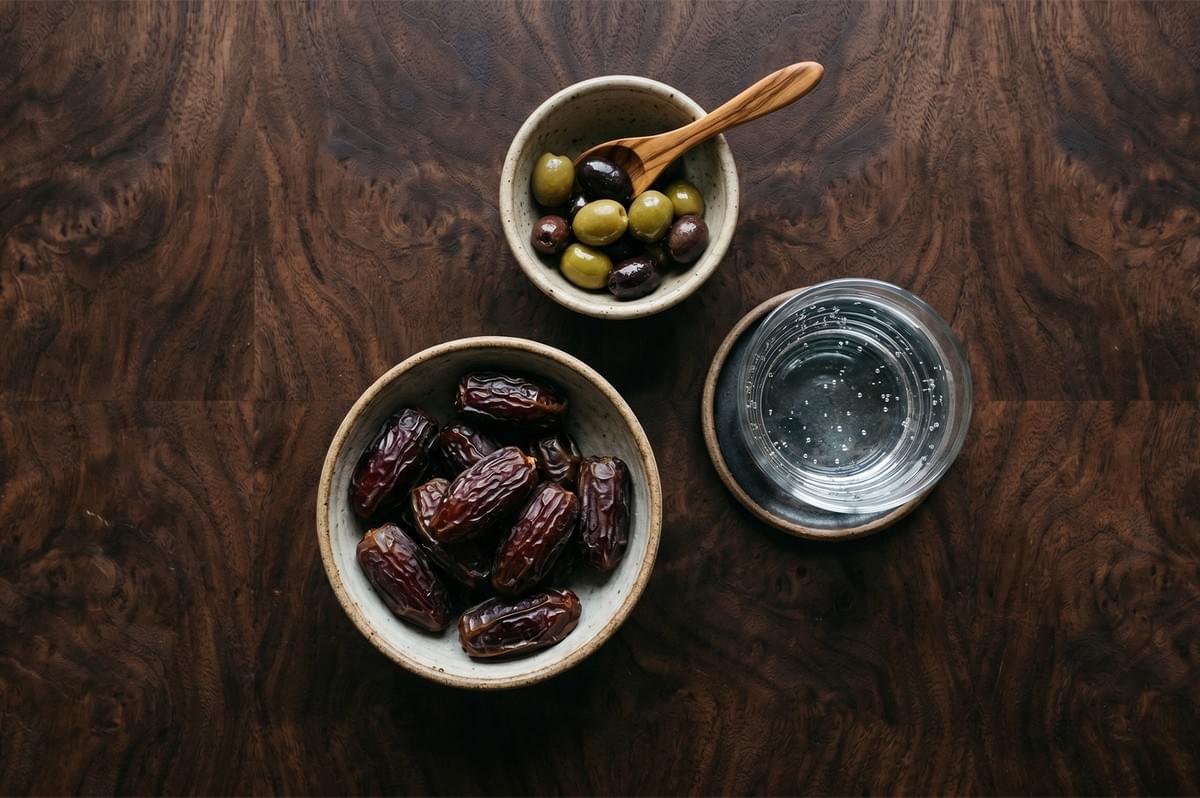
Across the globe, the first meal many fasting persons consume to break fast is a date and a glass of water. This is not random. In many Muslim communities, breaking fast with dates follows a long-honored practice tied to the example of the Prophet Muhammad and the prayer of Allah wills.
It is also customary to recite the basmalah before starting the meal. There is gentle wisdom in it too. After a whole day without food, dates offer quick, natural sugars, rich in potassium and easily digested carbohydrates, and water quenches thirst to rehydrate a tired body before anything heavier arrives; fruits such as watermelon can also be a refreshing way to break the fast.
It is widely practiced that this opening stays simple on purpose. A date or two, a sip of water, sometimes a small sweet or a few olives. Simple etiquette matters too: eat with your right hand and take the food closest to you. The body eases in rather than rushing. Only then does the real spread begin.
Soups, Black Beans, and Stews: Nourishing the Stomach and Body
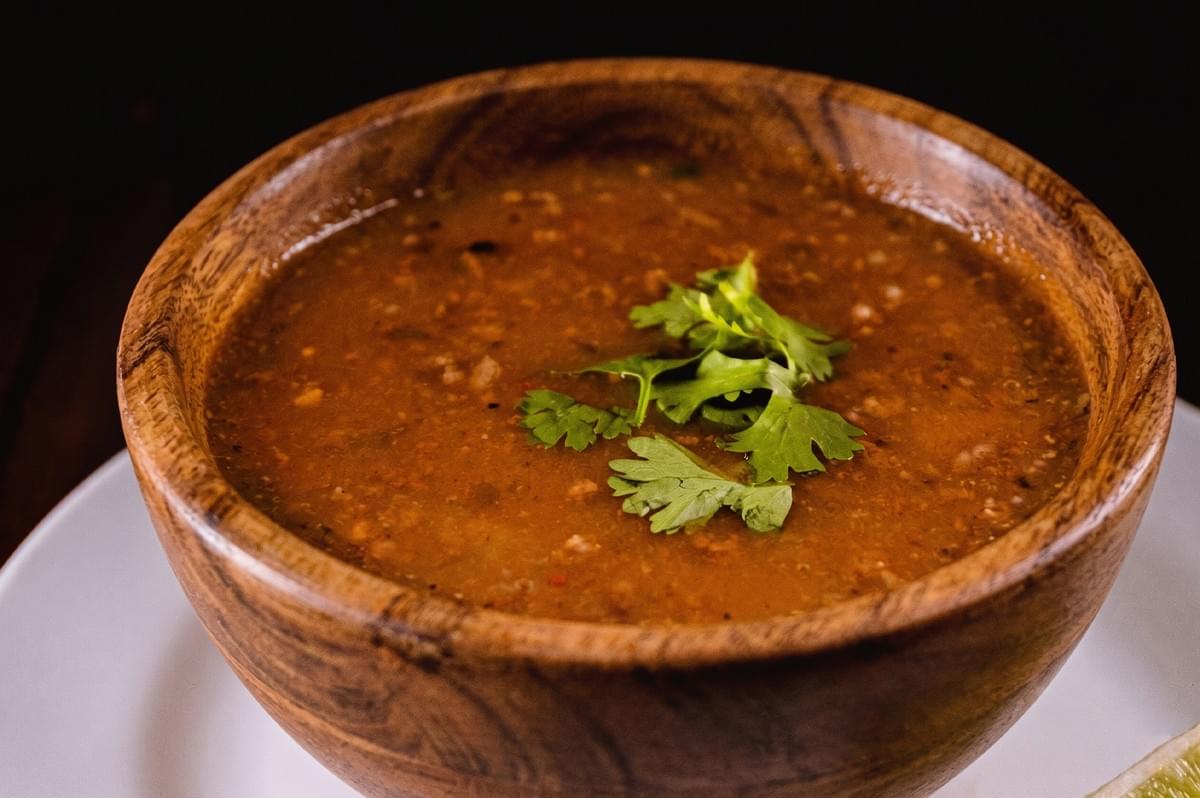
Once the first meal settles, soups and stews tend to arrive. This feels almost universal, and I find that lovely. A warm bowl is gentle on a fasting person’s stomach and quietly says, slow down, you made it.
In much of the Middle East, a humble lentil soup is the beloved starter, smooth and golden and endlessly comforting. Around Turkey and the Levant, you might find tangy yogurt-based soups and slow-simmered stews that have bubbled away for hours. Travel to North Africa and harira takes center stage, a hearty tomato and lentil soup, often rich with chickpeas and herbs, that practically defines the season in Moroccan homes.
In West Africa and elsewhere, black beans often enrich the meal, providing protein, fibre, and minerals that support digestion and overall health benefits after the fasting period. These soups and bean dishes are not flashy. They are the foods that feel like a hand on your shoulder, helping your body digest and recover from the whole day’s fast.
Breads, Fried Bites, and Healthy Fats for Hungry Hands
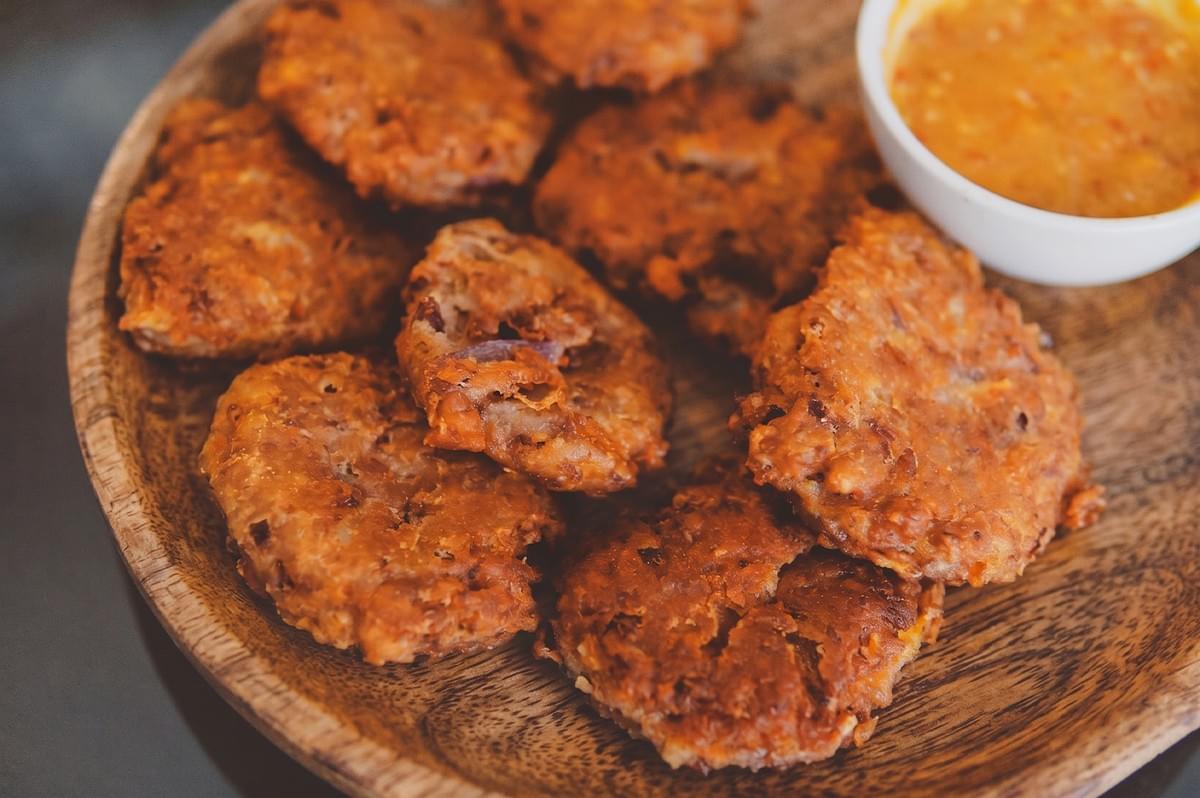
Hunger has a way of pulling people toward crisp, golden, handheld things. This is where iftar food gets playful, but mindful choices help avoid health problems associated with overeating or consuming too much sugar and unhealthy fats.
In South Asia, the table fills with samosas and pakoras, fried until shatteringly crisp, alongside bright fruit chaat and tangy savory chaats that wake up the palate. Many households also serve haleem, a slow-cooked blend of wheat, lentils, meat, and sometimes butter, that turns thick and almost velvety. Over in Turkey, warm pide bread comes fresh from bakeries, sometimes with people queuing well before sunset just to carry home a soft, pillowy round.
Southeast Asia leans into its own comforting rhythms. In Malaysia, Indonesia, and Singapore, you will find bubur lambuk, a fragrant, spiced rice porridge often cooked in large batches and shared generously around mosques and neighborhoods. Gorengan, an assortment of fritters, appears on countless tables, easy to grab and hard to stop eating.
East Africa brings sambusa, close cousins to the samosa, crisp little triangles tucked with spiced fillings. And across parts of West Africa, bean-based dishes and softer porridges, sometimes called pap, ground the meal, often paired with the deep, smoky, peppery flavors found in suya-style seasonings. Different ingredients, same warm instinct: feed people something satisfying after a long day.
You will often see a familiar lineup take shape:
- A soup or porridge to start gently, rich in vitamins and probiotics
- Fried or baked savory bites balanced with healthy fats like coconut oil and avocados
- A hearty main built around local grains, protein from fish, eggs, meat, black beans, and nuts
- Something sweet and a cooling drink to close, replenishing minerals and fibre
Sweet Endings, Drinks, and the Health Benefits of Breaking Fast Right
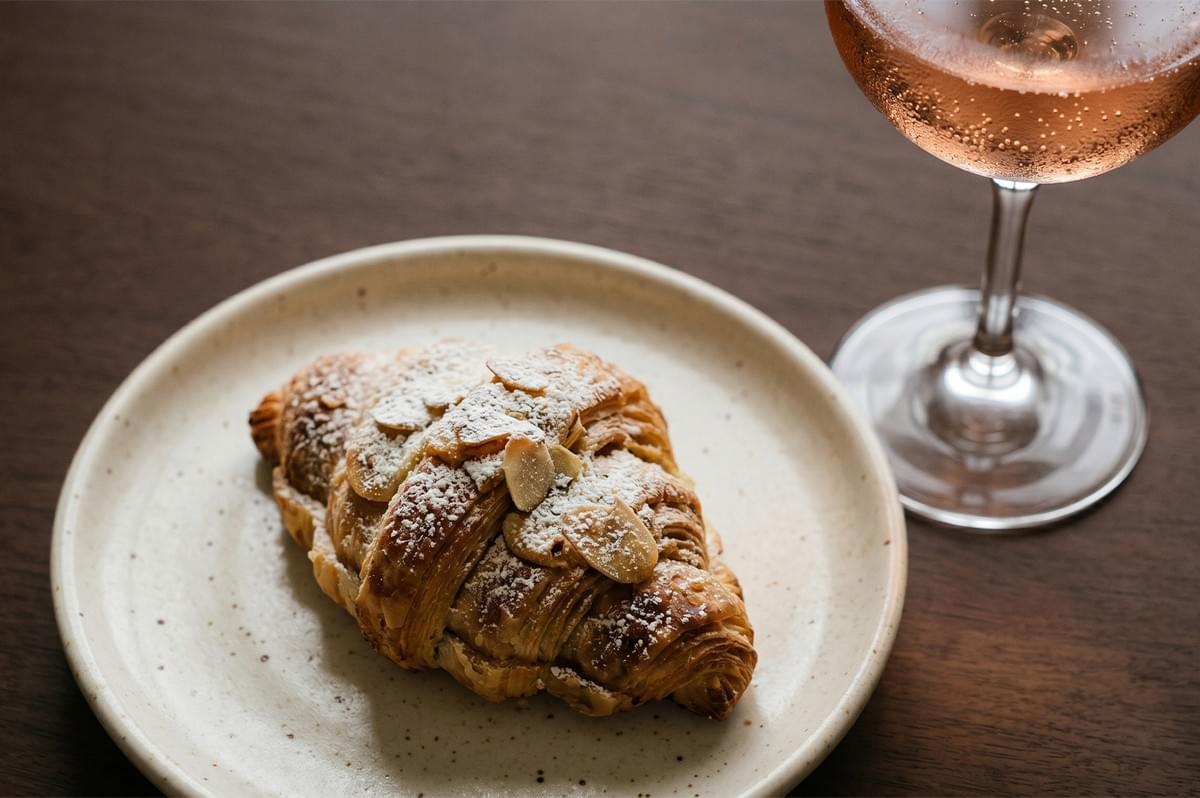
If soups open the meal with comfort, sweets and drinks close it with joy and nourishment. These final moments of the meal help replenish energy, vitamins, and minerals lost during the fasting period.
In the Middle East and the Levant, qatayef appears almost exclusively during Ramadan, little stuffed pancakes folded around nuts or sweet cheese, then fried or baked and bathed in syrup. Kunafa, with its golden, cheesy, syrup-soaked layers, is another showstopper. Turkish tables often finish with syrupy desserts that glisten under the lights, the kind that demand a small spoon and a slow pace.
North Africa offers chebakia, sesame-coated, flower-shaped pastries soaked in honey, often made in big family batches and stored for the whole week. Southeast Asia brings kolak, a warm coconut-milk dessert with banana or sweet potato, and a rainbow of kuih, bite-sized treats in soft, chewy, colorful forms.
Then there are the drinks, and oh, the drinks. South Asian tables glow with rose-tinted, rooh afza-style coolers, sweet and floral and instantly refreshing. In Southeast Asia, bandung-style drinks share that same rosy color and gentle sweetness, often blushing pink with condensed milk. Elsewhere you will find tangy tamarind coolers, soothing yogurt-based drinks rich in probiotics, and pots of spiced tea, the kind that simmers all evening in many East African homes. Each one does the quiet work of restoring a body that waited all day, helping to digest and quench thirst.
What These Iftar Foods Quietly Tell Us About Health, Worship, and Community
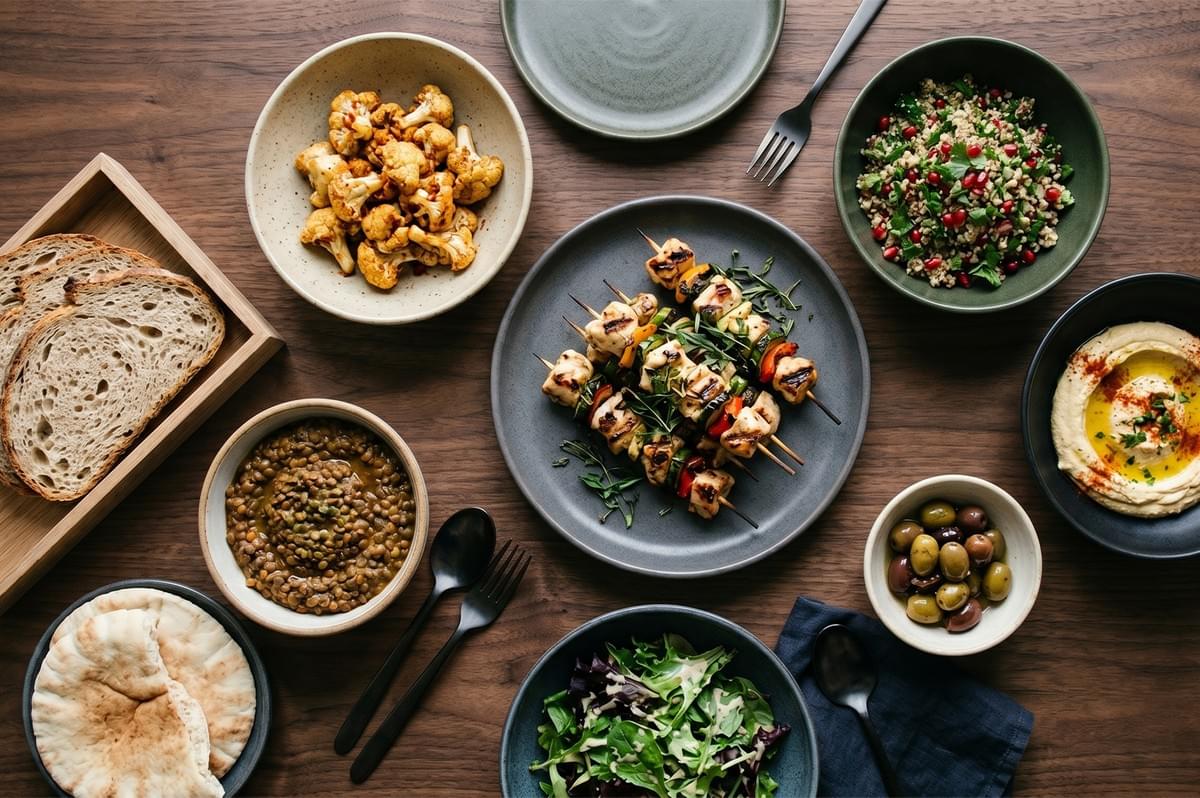
Linger over these tables long enough and you start to notice the stories tucked inside them.
Hospitality runs through all of it. Extra portions are not an accident. Many of these dishes, the big pots of porridge, the stacked trays of pastries, are practically designed for sharing, for the neighbor who drops by and the stranger who needs a meal. This act of sharing fosters community and brings blessings and reward from Allah.
Climate and local ingredients shape the menu too. Hot regions favor cooling drinks and hydrating fruit. Cooler evenings invite thick, warming stews. What grows nearby ends up on the plate, which is why lentils anchor one region and coconut oil sweetens another.
And then there is migration. As families move and settle in new places, traditional Ramadan dishes travel with them, then gently shift. Diaspora communities often blend old and new, leaning on store-bought shortcuts on busy nights, setting mixed tables where several cultures meet, and creating fusion iftars that feel entirely their own. This is not a loss of tradition. It is tradition staying alive, adapting, and making room. It is halal food culture breathing and growing, exactly as living things do.
Back to That Quiet Pause: Mindful Eating and the Rewards of Breaking Fast
Think again about that moment at sunset, the date in hand and the first sip of water. Wherever you sit, whatever delicious iftar food fills your plate next, that pause connects you to millions of fasting persons doing the very same thing at the very same hour.
Being mindful and aware when you eat after the fasting period helps you avoid the urge to overeat; eat in moderation, do not fill even half your stomach too quickly, and aim for one-third food, one-third drinks, and one-third air. Choosing easily digested foods rich in protein, healthy fats, fibre, and minerals supports fat burning and replenishes your body’s energy and nutrients, while eating too much can increase the risk of discomfort after fasting.
Including eggs, fish, avocados, nuts, berries, carrots, salad, cruciferous veggies, and vegetables along with balanced carbohydrates, plain water or plain yogurt, and protein powder supplements can support a healthy breakfast or dinner routine throughout Ramadan; eggs provide about six grams of protein each, fish is rich in healthy fats and vitamin D, avocados are easily digestible and nutritious, and cruciferous vegetables are high in fiber and vitamins and help prevent constipation. Some people also add seeds, coffee, or creatine to their routine, but keeping it simple often works best.
That, to me, is the real beauty of breaking fast foods. They are deliciously different and quietly the same. They carry memory, geography, and care in every bite. So if you ever wonder what to eat for iftar, or simply feel curious about Ramadan food beyond your own table, know that the answer is gloriously varied and always rooted in gratitude, and that mindful habits can lead to better health and worship through the night.
To discover more Halal meals in different places in Singapore, be sure to visit and read our article on Halal Meals to Discover Through Somerset
