

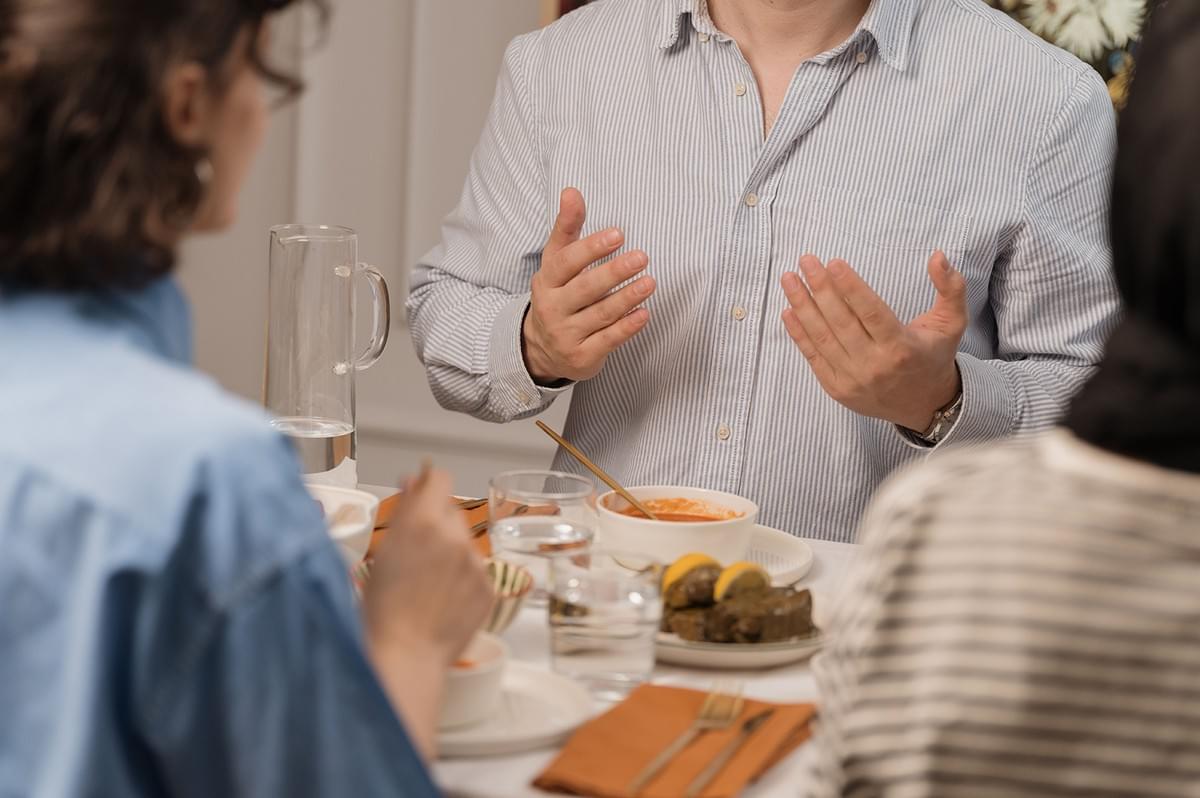
Picture a Friday evening. You're planning a birthday dinner, and the group chat is buzzing. One friend eats halal, another is vegetarian, and someone has already shared a cozy spot with warm lighting and a menu everyone seems to love.
Then comes the pause. The website says "no pork, no lard." A few reviews mention a Muslim-friendly menu. Nobody is quite sure what that means, and the excitement of the plan slowly turns into guesswork.
I think that small pause matters more than we admit.
A shared meal is rarely just about the food. It's about whether everyone can sit at the table at ease, without asking awkward questions in front of the group. When a restaurant states its status plainly, every diner starts from the same place.
In Singapore, halal certification for food establishments is issued by MUIS. That's the formal line. Phrases like "no pork, no lard," halal ingredients, or Muslim ownership can tell you something useful, but they aren't the same as certification. You deserve to know which is which, so you can decide for yourself.
My view is simple. Restaurants should say openly whether they're certified. Where it feels right, a short, honest note on why not can go a long way.
I also want to be fair to the people behind the pass. Not being certified doesn't mean a restaurant is careless, unsafe, or hiding anything. There may be practical reasons, from how a menu is built to what a small team can take on right now. Those are possibilities, not accusations, and each kitchen knows its own story best.
That's exactly why I'd love to hear it from them. Something as simple as "We're not halal-certified. Our kitchen serves alcohol, and we're happy to answer your questions" respects everyone. It doesn't turn diners away. It invites them to choose with confidence.
Trust grows from small, clear words like these. And trust is what brings people back, again and again, for the next celebration.
So here's my hope. To restaurants: make your status easy to find and easy to understand, whether it's on your menu, your website, or your front door. To you, the diner: ask kindly before you book. A respectful question, met with an honest answer, is where a good meal begins.
