

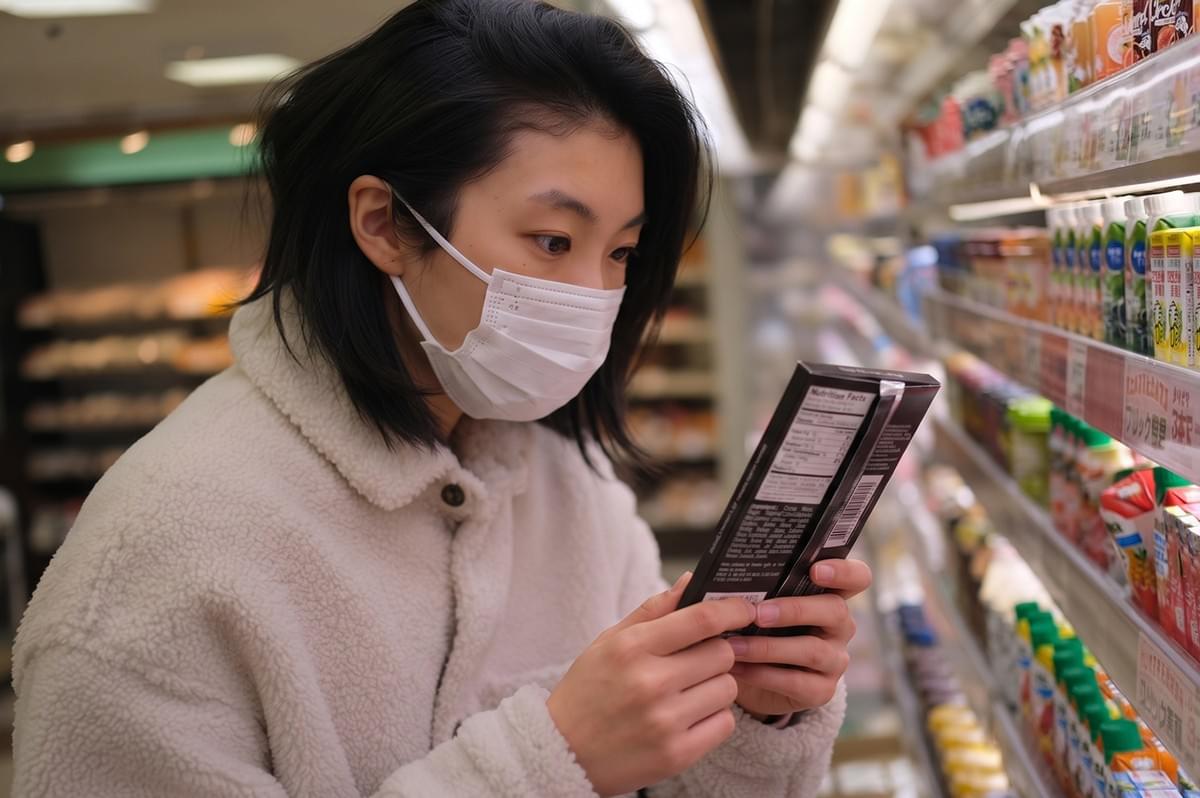
There's a small pause many of us know well.
You're standing in the confectionery aisle, a chocolate bar in hand, turning it over to read the back. The label is a wall of tiny words. Emulsifiers. Flavourings. Numbers with an E in front. And somewhere in there, the quiet question: is this one okay to eat?
We've stood in that pause more times than we can count. So we wanted to sit down and talk it through, honestly, the way we'd explain it to a friend over kopi.
Because the truth is, chocolate is trickier than it looks.
Why Halal Certification Matters When Choosing Chocolate
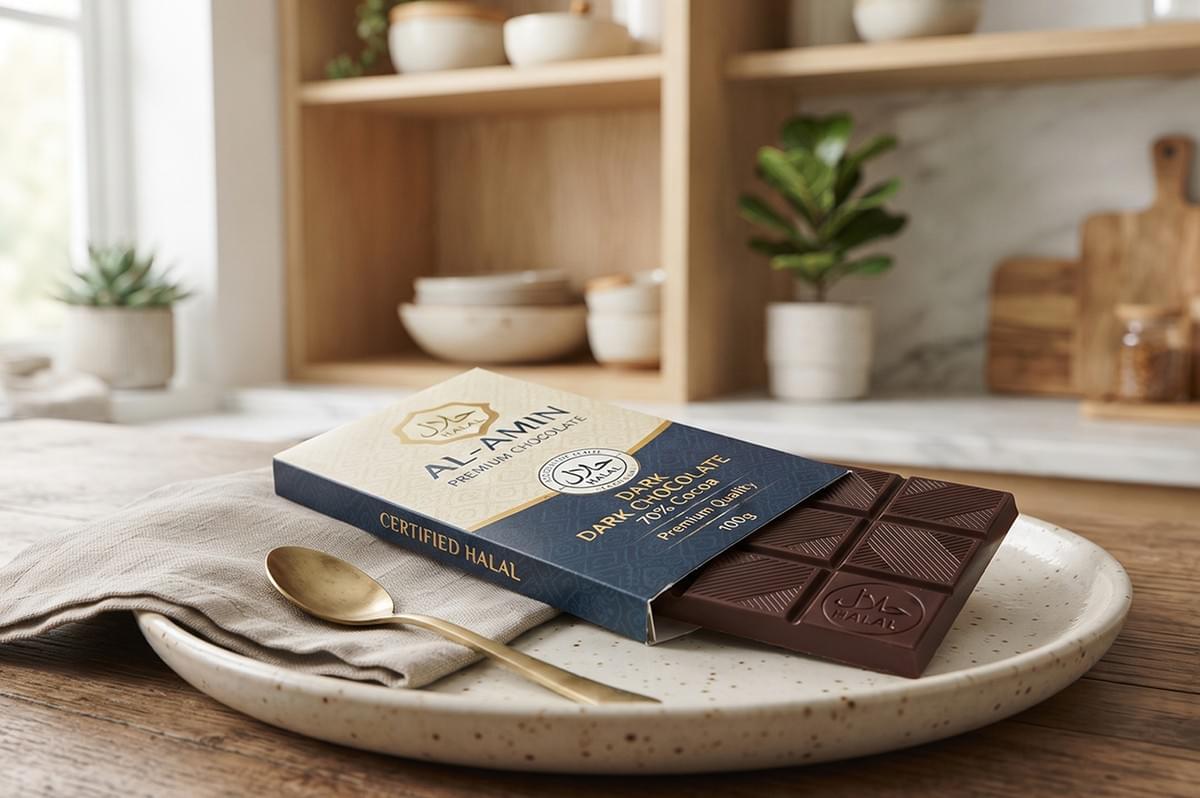
Chocolate starts out simple. It comes from the cacao tree, a plant, and on its own, plain chocolate can absolutely be halal.
The complications creep in later, during processing, when other ingredients join the mix. That's where the halal status of a bar can quietly shift.
Here's what we've learned to watch for.
Alcohol. Some flavoured chocolates and liqueur-filled centres contain ethanol, sometimes as a carrier for flavourings like vanilla extract. Alcohol and ethanol require context. Chocolates filled with alcoholic liqueurs are not halal. However, MUIS permits limited amounts of natural or synthetic ethanol used as a solvent in food flavourings when it is not derived from prohibited products and stays within MUIS's specified limits. A recognised halal certification remains the easiest way to verify compliance.
Gelatin. Gelatin can come from porcine, bovine, fish or other sources. Porcine gelatin is not halal, while animal-derived gelatin from other sources requires appropriate halal verification. MUIS treats gelatin as a high-risk ingredient in halal certification.
Animal-derived emulsifiers. These are the sneaky ones. E471 and E472, or mono- and diglycerides, show up in glossy coatings and low-fat chocolate. Some are plant-based, but others come from animal fat. The label alone rarely tells you which.
Whey powder. Whey itself comes from milk, but some whey is a by-product of cheesemaking. Because cheese production can involve enzymes or rennet from different sources, halal certification or manufacturer confirmation may be needed when the source is unclear
E120, or carmine/cochineal. This red colouring is derived from cochineal insects. Halal rulings differ between authorities; MUIS permits carmine, so Singapore consumers should not automatically treat E120 as haram. For imported products, check the position of the relevant recognised halal certifier.
Cross-contamination. Even a clean ingredient list isn't the whole story. Manufacturing controls also matter. Shared facilities do not automatically make a product non-halal, but halal certification helps verify that appropriate ingredient segregation, equipment handling and cleansing requirements are followed.
So no, a chocolate bar isn't halal just because it's chocolate. But that doesn't mean you're stuck guessing.
How to Check Chocolate for Halal Certification
We've found it comes down to three habits. None of them are hard once they become second nature.
Look for an Official Halal Certified Logo from Trusted Chocolate Brands
The most reliable sign is a recognised halal certification printed on the pack. Here in Singapore, MUIS certification is the one many of us look for first. Internationally, you'll also see logos from bodies like JAKIM in Malaysia, BPJPH in Indonesia, and the American Halal Foundation.
When a trusted halal certified logo is there, most of the guesswork disappears. That mark means someone audited the ingredients and the production line, not just the recipe.
Read the Ingredients Label to Check Chocolate Ingredients
No logo doesn't automatically mean no. An uncertified chocolate may still be halal, but its ingredients and manufacturing process need to comply with the relevant halal requirements.
So when you check chocolate packaging, scan for alcohol-based flavourings, gelatin, animal fats, E471 and E472 emulsifiers. If none of the red flags appear, you're on steadier ground. If something's unclear, treat it as doubtful until you can confirm.
Watch for Cross-Contamination Notes on Halal Certified Chocolates
Some brands include a line about shared equipment or facilities. It's easy to skim past, but it matters. If a bar is made on lines that also handle non-halal products, that's worth pausing over, even when the ingredients themselves look fine.
Is Cadbury Milk Chocolate Halal Certified?
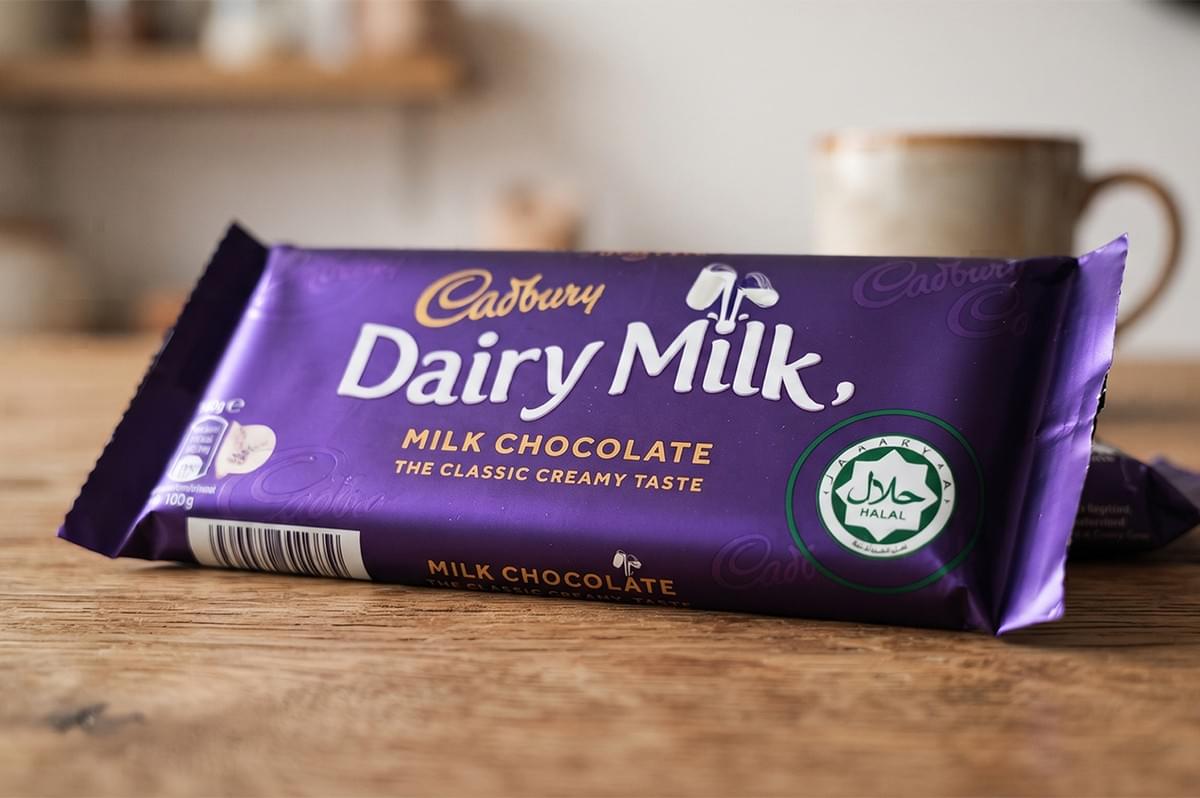
This is one we get asked about often, and the honest answer is: it depends on where the bar was made.
Cadbury chocolate halal status varies by region. It's certified in some markets and not in others. So the first thing we do is look for a halal logo on that specific pack.
If there's no logo, we don't assume the worst, but we don't assume the best either. Instead, scan the ingredients for those emulsifiers or alcohol-based flavourings, and if you're still unsure, write to Cadbury with the product code from the packaging. They can tell you the latest certification for that exact item.
Is Lindt Chocolate Halal Certified?
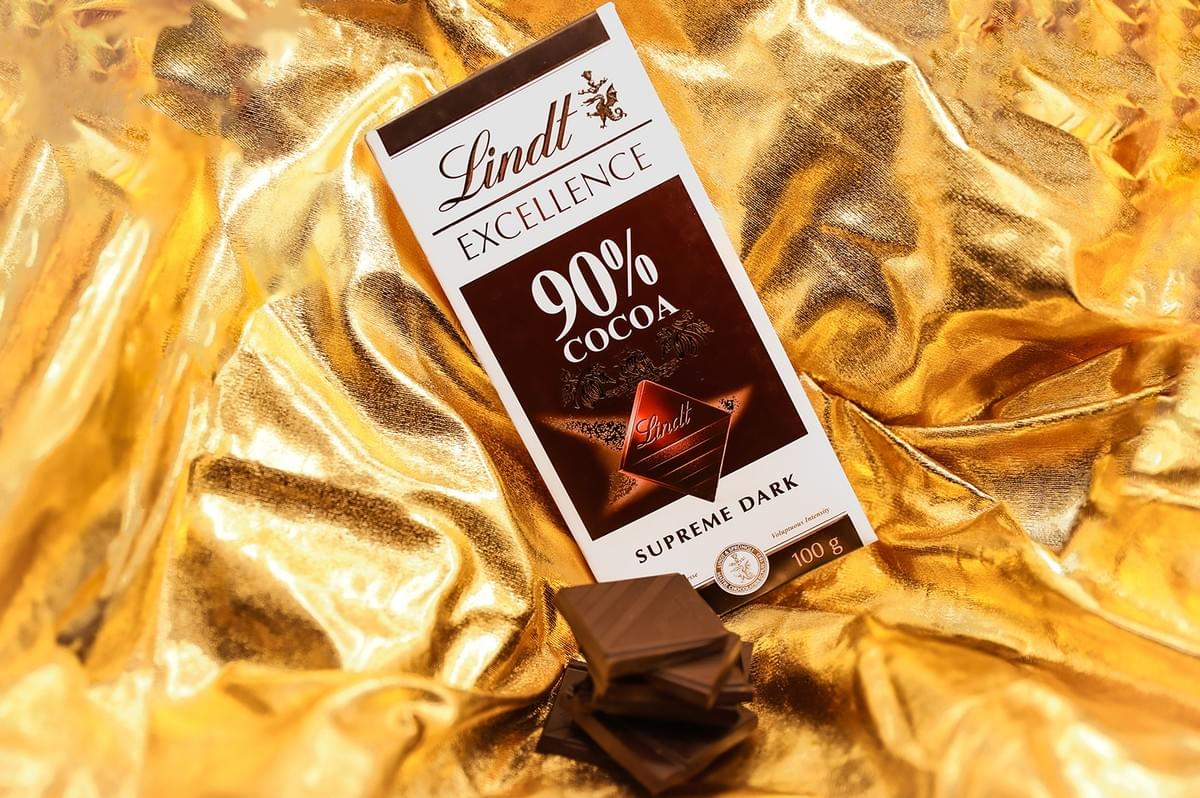
Here's where we have to be straight with you.
Lindt chocolate halal status is not backed by corporate halal certification. Lindt states that none of its production sites are halal certified. Some EXCELLENCE dark chocolate bars are made without animal products and alcohol, but that is not the same as halal certification of the product and manufacturing process.
Lindt has said its dark Excellence tablets contain no animal fat or alcohol, which sounds reassuring. But without halal audits of their plants. So while the ingredients on certain dark bars may look acceptable, we'd treat it as doubtful rather than confirmed, and decide with that honesty in mind.
Is Nestlé Chocolate Halal Certified?
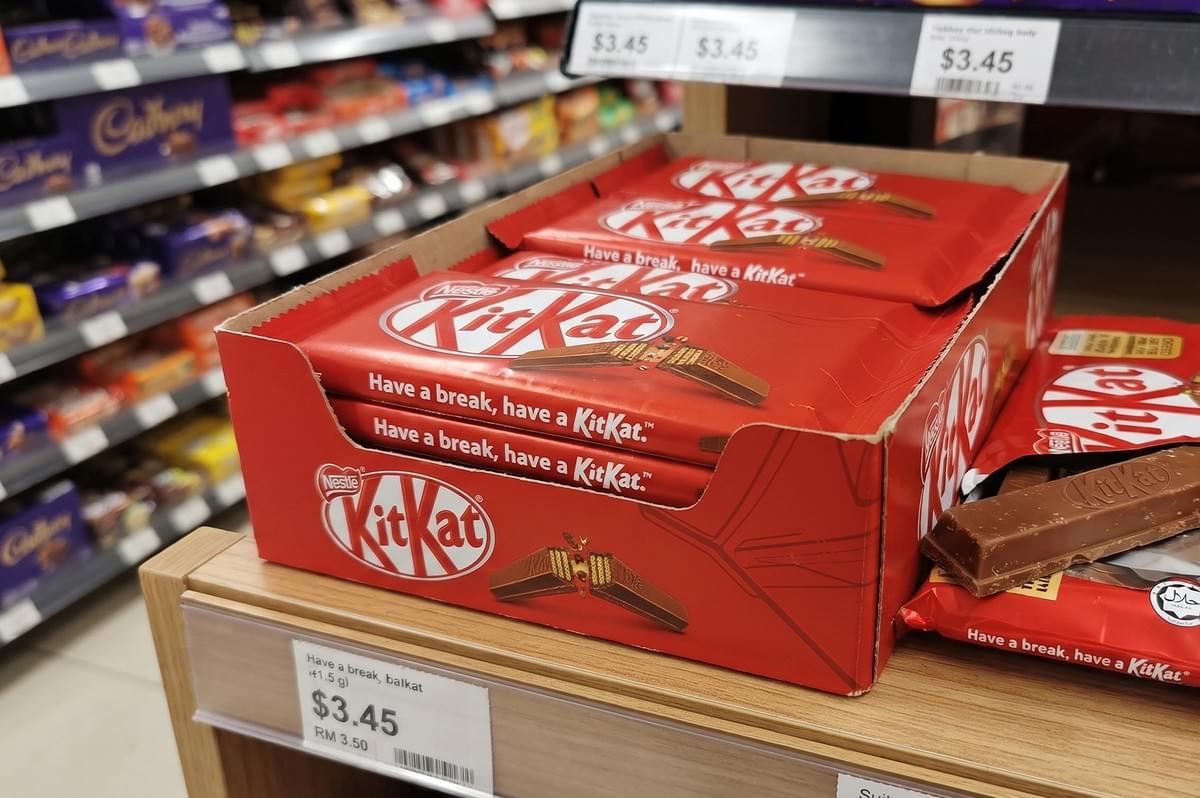
Nestlé is a better story for those of us hunting for halal certified chocolates, though still with a catch.
Nestlé's halal status also varies by market. Nestlé Malaysia says it produces more than 500 halal-certified products, while Nestlé Australia publishes a product-specific halal list that includes products such as KitKat and Smarties. Always check the exact product and country rather than assuming the entire Nestlé range is certified
Certification isn't global. A product certified in Malaysia or Australia should not automatically be assumed to have the same status in another market, so check the exact product and country of manufacture.
What About White Chocolate and Halal Certification?
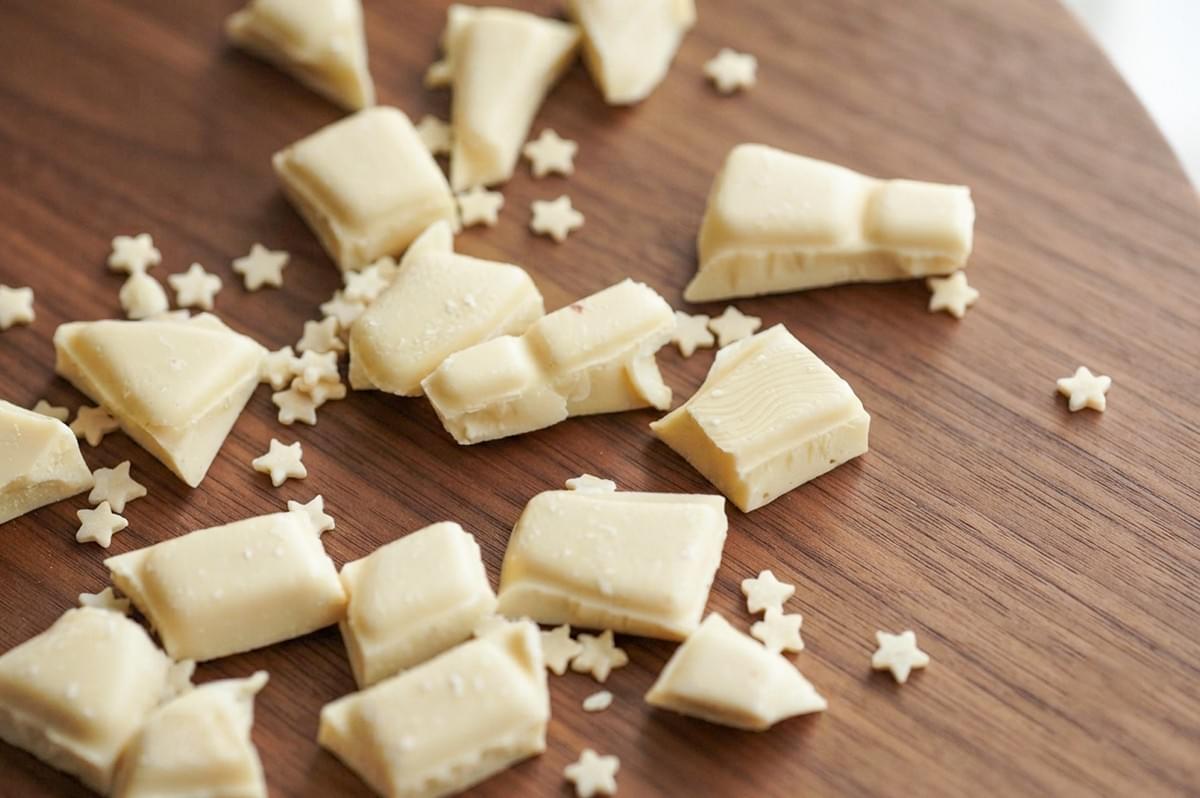
White chocolate contains cocoa butter (no cacao solids), sugar, milk, and emulsifiers. The same emulsifier question applies here as with milk chocolate.
White chocolate contains cocoa butter, sugar and milk ingredients, often with emulsifiers or flavourings. As with milk or dark chocolate, check any source-sensitive additives and the product's halal certification.
A Quick Word on Cocoa Butter in Halal Certified Chocolates
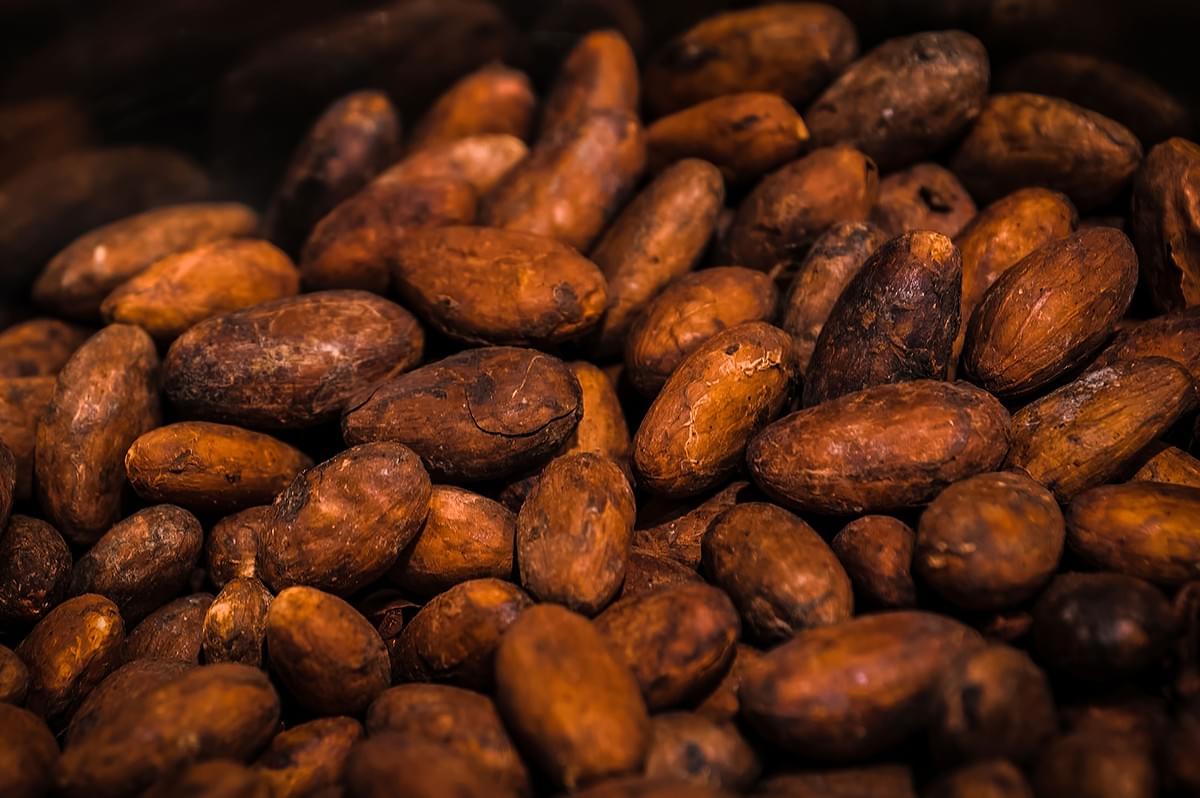
Let's clear up a common worry, because we used to wonder about this too.
Despite its name, cocoa butter is not dairy and not animal fat. It's purely plant-based, pressed from the cacao bean itself. The risk in a chocolate bar never comes from the cocoa butter or the cocoa. It comes from what's added around it, the emulsifiers, flavourings, and other extras.
So when you see cocoa butter on a label, you can breathe easy. That part's fine.
Our Simple 3-Step Check to Verify Halal Certification in Chocolate Brands
When we're unsure about a bar, this is the quiet routine we run through.
Step one: look for the halal certified logo. A recognised halal certification, MUIS here in Singapore or another trusted body, settles it fastest. If it's there, you're done.
Step two: read the ingredients. No logo? Check the list for alcohol, gelatin, animal fats, and the E471/E472 emulsifiers. Clean list, safer bet.
Step three: when in doubt, ask. If something's still unclear, don't force a decision. Reach out to the manufacturer.
That third step trips people up, so let's talk about it.
How to Contact Chocolate Brands to Verify Halal Certification
We know it feels a bit much to email a chocolate company. But it's easier than you'd think, and it genuinely works.
Email customer service. Keep it short and polite. Quote the product name and the batch or product code, and ask whether that specific item is halal certified, and by which body. Something like: "Could you confirm whether this product sold in Singapore is halal certified, Could you confirm whether this product sold in Singapore is halal certified, which certifier covers it, and whether any ethanol, animal-derived emulsifiers or other source-sensitive ingredients comply with the relevant halal requirements?"
Use social media. A public question on Facebook, Instagram, or X often gets a faster reply than email. Brands tend to respond quickly when the question is visible.
Encourage others to ask too. The more requests a company receives, the more likely they are to pursue certification. Every polite message adds up, and it slowly widens the shelf of halal certified chocolates for all of us.
Common Mistakes to Avoid When You Check Chocolate for Halal Certification
A few habits we've had to unlearn along the way.
Assuming imported chocolate is safe because of Arabic text. Arabic on the back doesn't equal certification. Sometimes the outer box carrying the logo gets removed. Check the certifier's database or ask the distributor.
Trusting vegan labels blindly. Vegan chocolate skips animal ingredients, which helps, but it can still contain alcohol-based flavourings or be made on shared equipment. Run the same three-step check.
Don't assume that evaporation alone determines halal status. Liqueur-filled chocolates containing alcoholic beverages remain unsuitable, while MUIS permits limited ethanol used as a flavouring solvent when it meets its source and concentration requirements
Judging a whole brand at once. Halal status is often product-by-product and region-by-region. One certified KitKat doesn't certify every bar a company makes.
Frequently Asked Questions (FAQs)
Are chocolates halal? Many halal chocolates can be. Plain chocolate made from cacao is halal at its core, but the final bar depends on added ingredients and how it's made. Always check the label and look for certification.
Which chocolate is halal? Chocolate carrying recognised halal certification provides the clearest assurance. For uncertified products, check for clearly prohibited or source-sensitive ingredients such as alcoholic liqueurs, gelatin and animal-derived additives, and verify unclear ingredients with the manufacturer or relevant certifier.
Is vegan chocolate halal? Not always. It avoids animal ingredients, but alcohol-based flavourings and cross-contamination can still be present. Apply the same checks.
What is E120? E120, also called carmine or cochineal, is a red colouring derived from cochineal insects. Its halal status differs between authorities. MUIS permits carmine, so Singapore readers should not automatically treat E120 as haram; when buying imported products, check the relevant halal certifier's position.
Before You Reach for That Bar: Your Halal Certified Chocolate Guide
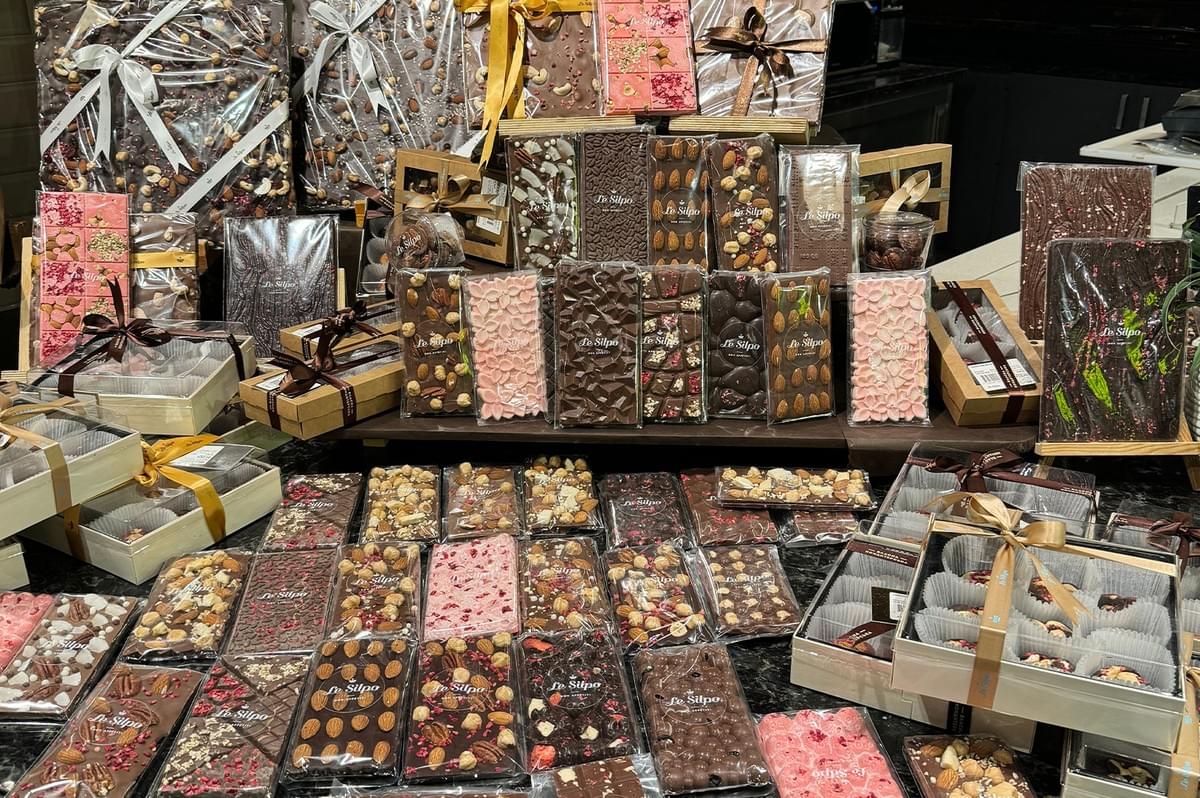
Look for the halal certified logo. Read the label. Ask when you're unsure. Over time, it stops feeling like homework and starts feeling like second nature, a quiet glance at the back of a pack before it goes into the trolley.
This guide breaks down the essentials into clear sections, like a table of contents for your chocolate journey, so you can find what you need quickly.
Plus, Third-party apps such as Halal Finder can help screen barcodes and ingredients, but their results should not replace an official halal certificate or confirmation from a recognised certifier or manufacturer. With many brands now aware of halal requirements, more options are becoming available, making it easier than ever to enjoy halal chocolates with confidence.
So go ahead. Enjoy the chocolate. You'll just know exactly what you're holding.
Discover and learn more about Halal food right here at Thehalalfoodfinder.com
