

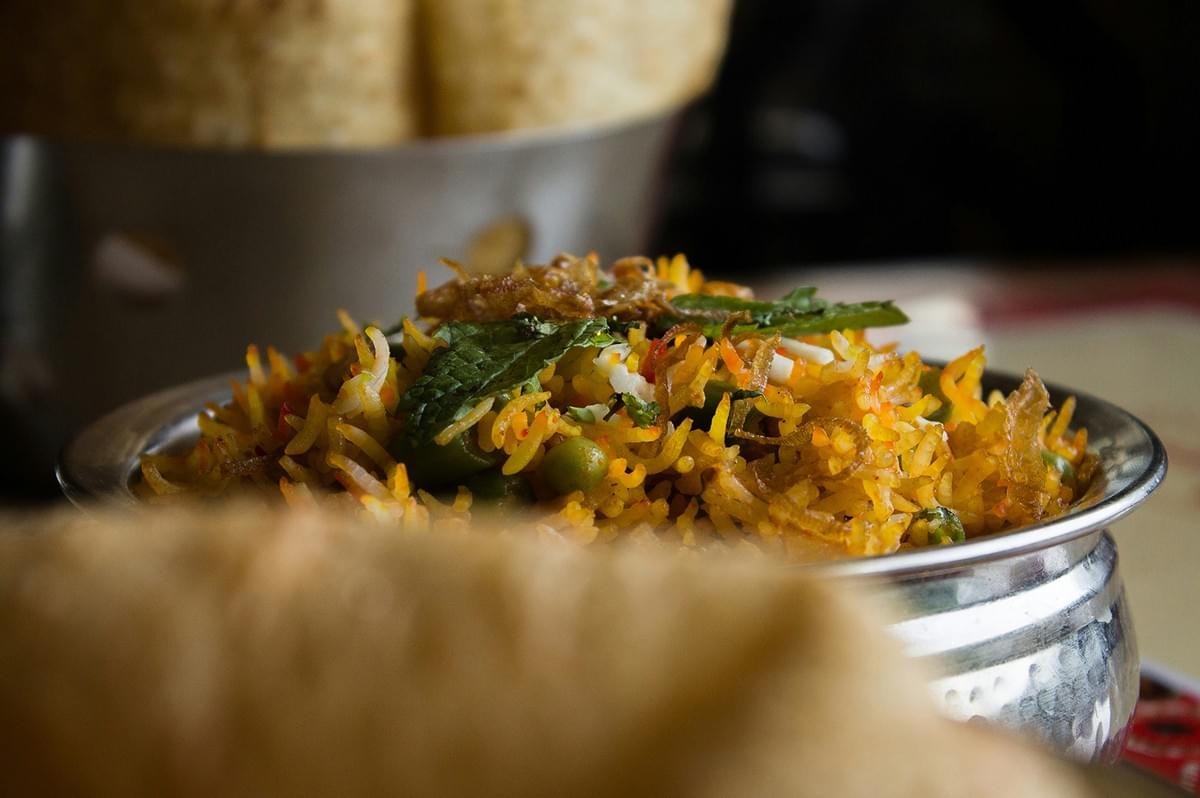
Familiar food isn't the problem. I want to say that first, because it matters.
Knowing what will arrive at the table is a real comfort. The rice is cooked right, the curry carries its slow heat, and the gravy is one you could find with your eyes closed. That kind of reliability takes years to build, and I respect the hands that keep it steady.
Still, a quieter question stays with me. When I think about halal restaurants in Singapore, I sometimes wonder where a kitchen's own voice has gone.
Halal is a religious dietary framework. It guides what's permissible and how food is prepared. It isn't a cuisine, and it isn't a ceiling.
That means a halal kitchen can cook from almost anywhere, whether it's Hyderabad or Hokkaido, a grandmother's recipe or a chef's own idea. So when menus start to look alike, I don't think halal is the reason.
I suspect the reasons are more ordinary. Ingredients cost money, and a dish that doesn't sell is money lost. Diners may come in expecting certain plates and leave disappointed without them. An unfamiliar dish is a risk, and not every kitchen can afford to fail quietly while people learn to love it.
I understand that. In their place, I'd probably be careful too.
A distinctive menu doesn't have to mean fusion, a higher bill, or something strange made for a photo. It can be smaller than that.
It can live in technique, like a broth simmered longer than it strictly needs. It can live in a regional speciality that rarely travels far from home, or in one ingredient treated with real attention. It can even live in a familiar dish, reinterpreted with care instead of reinvented for effect.
The counterpoint is fair. Some diners want the dish they've always had, cooked the way they remember it. Many restaurants already honor that beautifully, and plenty of others are quietly trying new things. Tradition carries skill, history, and memory. It deserves protecting, not apologizing for.
So maybe the real question isn't whether Singapore halal dining is too safe. It's whether each kitchen still sounds like itself.
To the restaurants: let your menu say something only you could say. Keep the dishes people love, then give us one plate that tells us who you are.
And to the diners, me included: when that plate appears, order it. Give it a chance, and sit with it a little.
Comfort brings us back. Curiosity is what makes us stay.
