

I will never forget my first night in Tokyo. I had spent hours on trains, my bag felt heavier than it should, and my stomach was making decisions for me. I wandered into a brightly lit convenience store in Shinjuku, picked up a rice ball, then paused. I had no idea what was actually inside it. That small moment of hesitation, standing under fluorescent lights at midnight, taught me something important. Eating halal food in Tokyo as a Muslim traveler takes a little patience and a lot of curiosity.
The good news is that halal food in Tokyo gets easier every year. Let me walk you through it the way I wish someone had walked me through it on that first hungry night.
Halal Food in Tokyo: A Quick Bit of Context Worth Knowing
Tokyo has changed a great deal for Muslim travelers. As more Muslims visit Japan, halal restaurants and halal food establishments have slowly expanded their offerings, and you can now find genuine halal food in Tokyo if you know where to look. Still, I want to be honest with you. Japan has relatively limited halal restaurants compared to the size of its food scene, so a little planning goes a long way.
There is also no single, centralized halal certification system in Japan. Different halal certified bodies certify different places, which means standards can vary from one restaurant to the next. This is not a reason to worry. It is simply a reason to stay observant, ask gentle questions about ingredients like mirin or gelatin, and trust your own judgment.
What Makes Halal Restaurants in Tokyo Different From Other Cities
In many places I have visited, halal food clusters in obvious neighborhoods. Tokyo works a little differently. The city is enormous and spread out, so halal restaurants and Muslim friendly restaurants in Tokyo tend to appear in pockets rather than one big district.
You will often find more halal food options near major hubs like Akihabara, Shibuya, Shinjuku, large hotels, airports, and areas around a mosque such as Tokyo Camii. These spots have naturally grown accustomed to international visitors, so the clientele and staff are more likely to understand your questions and point you in the right direction.
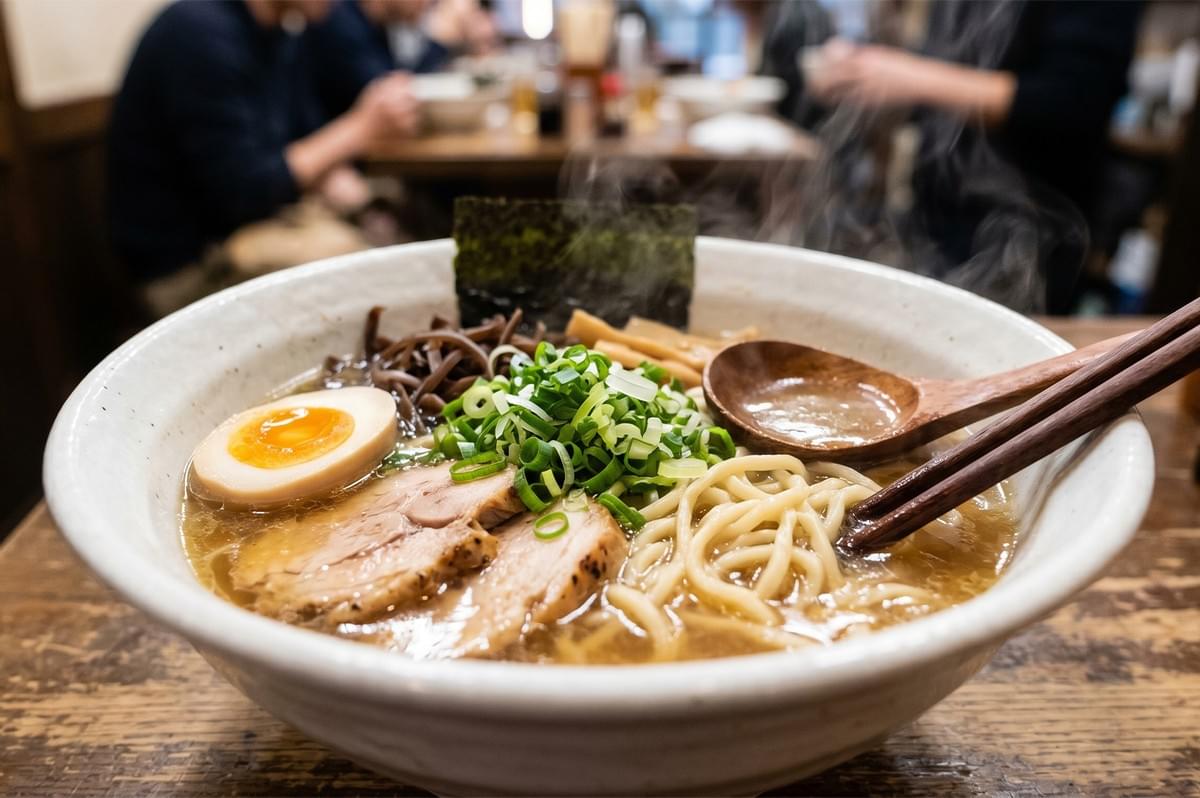
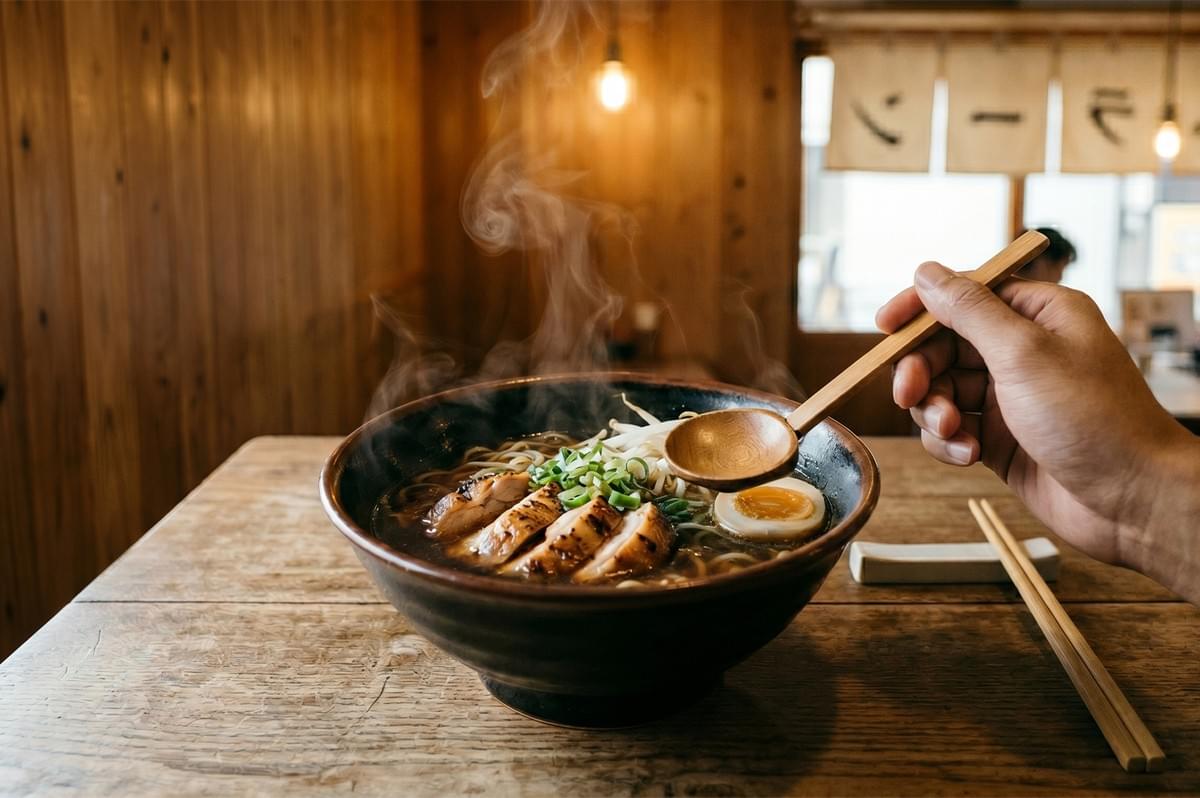
What I love most is how Tokyo blends its deep Japanese culinary traditions with this slow, thoughtful adaptation. You can genuinely enjoy halal Japanese food here, from delicious bowls of halal ramen and spicy ramen to fried chicken and gyoza, without feeling like you are settling for less.
How Muslim Travelers Actually Decide Where to Eat Halal Food in Tokyo
In my experience, once you’ve decided where to eat halal food in Tokyo, the real task is less about finding the perfect restaurant and more about reading the signals correctly. Labels matter here, and they are more detailed than you might expect.
When you scan a listing or a storefront, you will commonly see distinctions like these, so check the restaurant’s website or official site when available:
- Halal-certified: verified by a halal certified body
- Halal or Muslim-friendly menu: some dishes suit you, others may not
- Non-pork or non-alcoholic menu: helpful, but not the same as fully halal
- Halal-only kitchen or halal-specific utensils: stronger reassurance on cross-contact
- Muslim chef or Muslim owner: often brings added peace of mind
- Prayer space or prayer rooms: a thoughtful bonus when you need it, especially near mosques like Tokyo Camii
Note that you should not rely on one label alone.
None of these labels alone tells the whole story. I tend to read them together, the way you would piece together a picture. A place with a halal-only kitchen and a Muslim chef feels different from one simply marketing a non-pork menu, and that nuance helps me decide with confidence.
What to Look For in Halal Food Establishments, and How to Ask
The most useful skill I picked up in Tokyo was learning to ask kindly and clearly. Staff in halal restaurants are generally warm and want to help, even when there is a language gap. A polite question is never a bother.
When I am unsure, I keep it simple and ask things like:
- Is this dish prepared in a separate, halal-only kitchen?
- Does the sauce or broth contain mirin, sake, alcohol, or gelatin?
- Are the meat and gelatin halal certified?
Many halal restaurants keep detailed ingredient lists, often originally meant for allergies, and these can be a quiet lifesaver. Asking to see one has helped me more times than I can count.
The Pitfalls That Catch Muslim Travelers Off Guard About Halal Food in Tokyo
Here is where I want to be especially honest, because this is where I stumbled early on. A lot of food in Tokyo looks perfectly fine but hides ingredients that are not permissible under the religion.
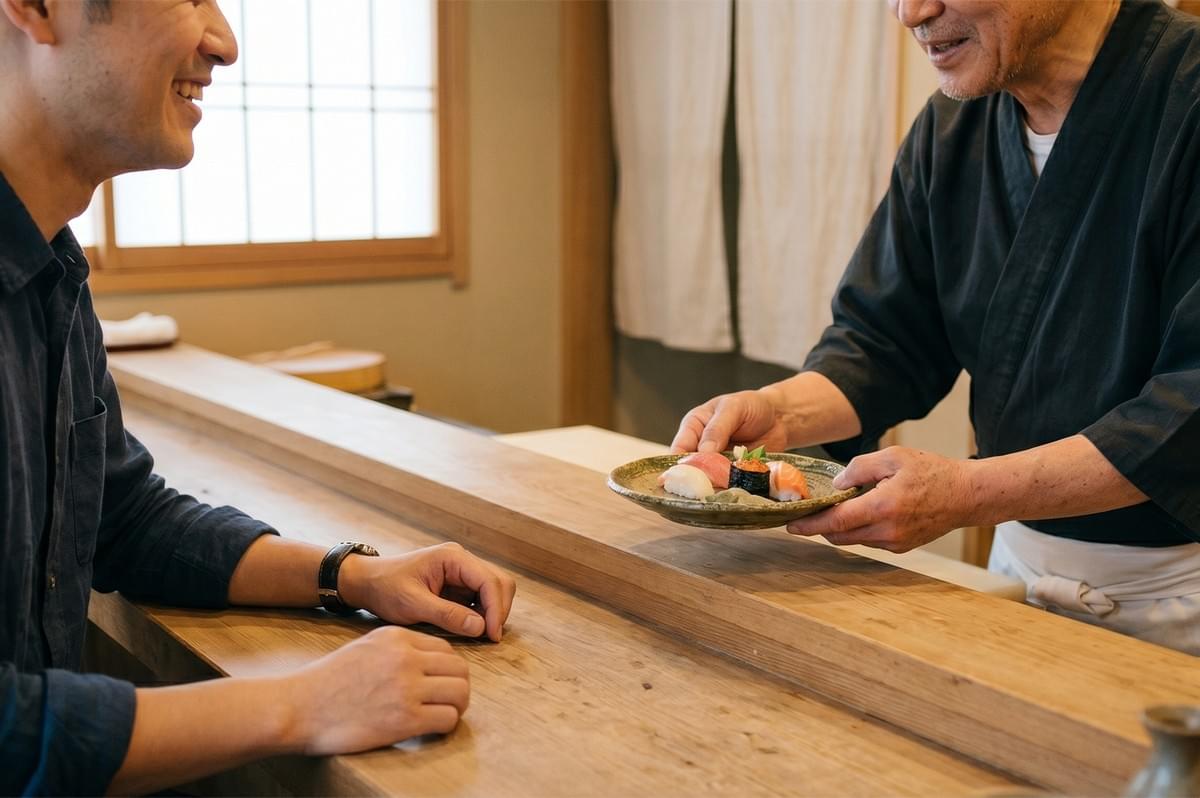
Sushi is a classic example. Many travelers assume halal sushi in Tokyo is everywhere, yet sushi rice is often seasoned with mirin, a type of rice wine. Seafood may seem like a safe bet, but the surrounding sauces and preparation can change that quickly.
Ramen is another one to watch. The thought of a steaming bowl is tempting, and halal ramen places exist now, but a standard broth frequently contains pork or animal fat. Even bread, snacks, soups, and desserts can carry gelatin, alcohol, or animal-based fats. Vegetarian dishes are not automatically halal either, since they may share equipment with non-halal items or include hidden ingredients.
The lesson I keep returning to is simple. Looks can mislead, so verification matters more than assumption.
Where It Tends to Get Easier for Muslim Travelers Seeking Halal Food in Tokyo
If you feel a little overwhelmed, take heart. There are reliable patterns that make life simpler.
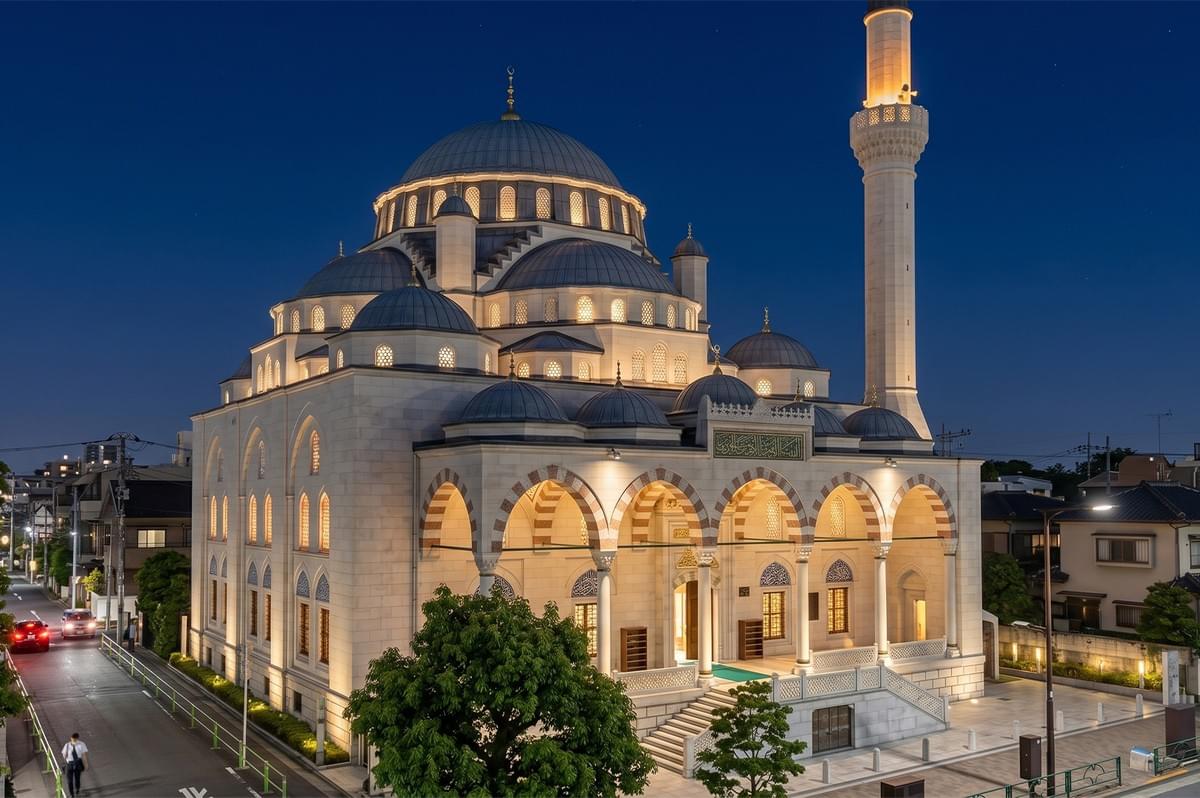
Areas around mosques like Tokyo Camii often have Muslim friendly shops and halal food eateries nearby, since they cater to a community that shares your needs. Major hotels and airports sometimes offer halal or Muslim-friendly meals, though a few may ask for advance notice, and some halal restaurants require reservations days in advance so they can prepare properly. Restaurants serving Turkish, Indian, Pakistani, Indonesian, Malaysian, and similar cuisines frequently have halal options too, and their staff usually understand exactly what you are asking.
I also lean on a free Muslim guide for halal dining in Tokyo and Halal Gourmet Japan, which features a searchable database of halal restaurants, when I travel. They are not flawless, but they save real time and help you plan meals ahead; it is also worth checking an updated guide post or listing before you head out.
Halal Ramen and More: Amazing Halal Menu Highlights Including Ayam Ya
Halal ramen in Tokyo has grown remarkably, and some halal certified ramen establishments offer a variety of delicious dishes. For example, Ayam Ya is a popular halal ramen place near Tokyo Camii known for its spicy ramen and soy ramen options.
Halal Ramen Ouka also offers traditional and spicy ramen options and is a popular choice for lunch. Naritaya and Honolu also serve halal ramen, including fried gyoza and halal fried chicken, which are favorites among Muslim travelers. Ichiran Nishi-Shinjuku has a pork-free ramen menu, but that is not the same as halal, so diners who need full halal assurance should pass.
You can find halal ramen places with halal certified ramen broths, using chicken, beef, or fish bases prepared without pork or alcohol. These establishments often have prayer rooms or prayer space available, accommodating the needs of Muslim clientele.
Prayer Rooms and Spiritual Comfort for Muslim Travelers in Tokyo
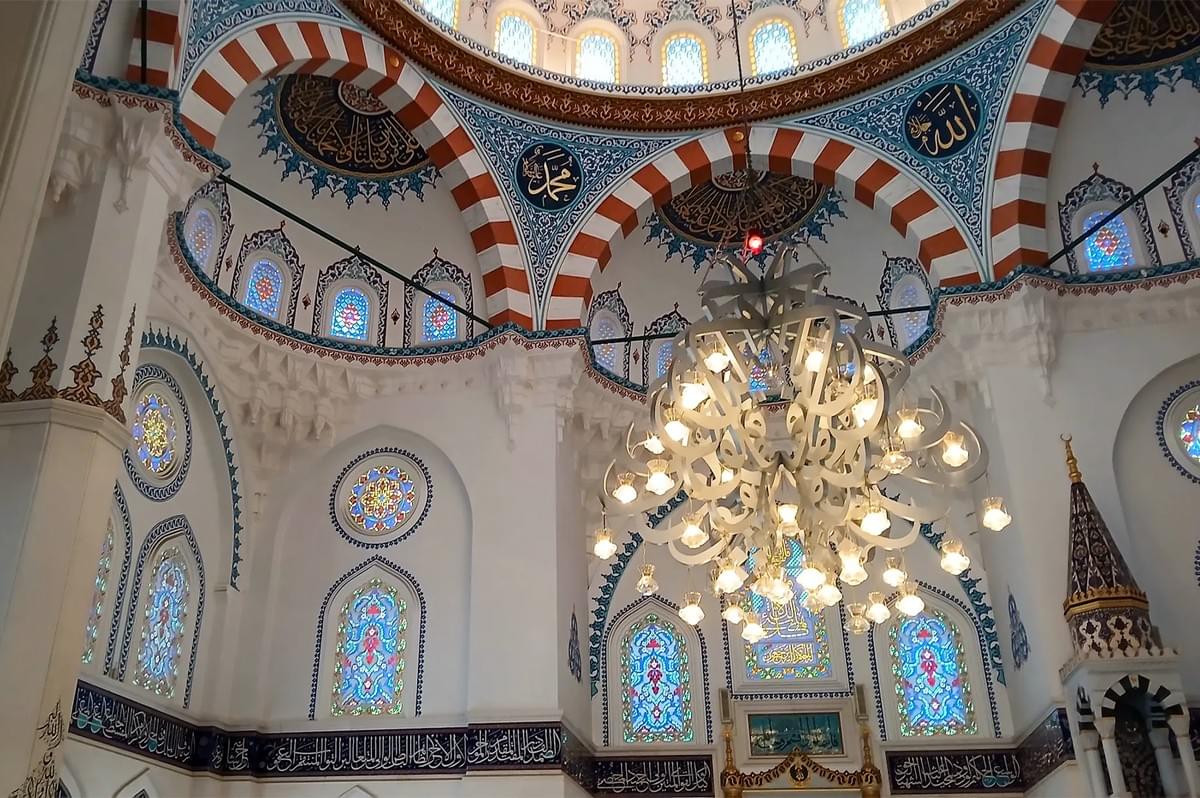
Tokyo is gradually becoming more accommodating with prayer rooms in halal restaurants and public spaces, especially near mosques like Tokyo Camii. While prayer rooms are still limited in availability, many halal restaurants provide a small prayer space, which is a thoughtful bonus for Muslims seeking to stay connected with their religion during their trip.
A Few Parting Thoughts From One Muslim Traveler to Another on Halal Food in Tokyo
If I could send one message back to myself on that first hungry midnight, it would be this. You do not need to feel anxious. You simply need to stay curious, read the labels carefully, and ask your questions with a smile.
Tokyo rewards Muslim travelers who pay attention. The food is amazing, the people are generally kind, and the experience of finding genuinely good halal meals in a new city is its own quiet joy. Options do exist for families and even kids who do not eat pork, but dishes with mixed ingredients still reward a bit of advance planning. Pack your patience, trust your instincts, and let yourself enjoy the search. You will eat well, and you will come home with stories worth telling.
Looking for a place to eat and dine Halal food across Singapore? Click here to see the currated list.
