

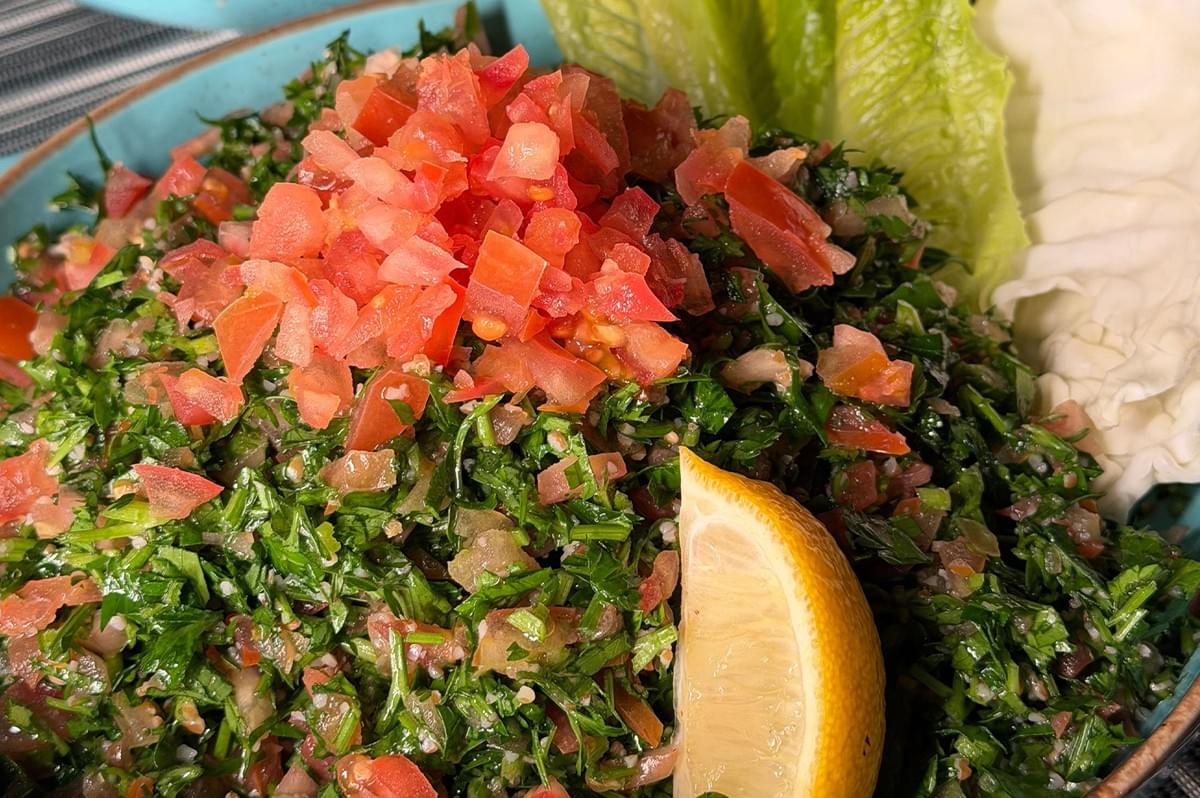
The colour comes first. A deep, living green, flecked with red.
Then the scent: cut parsley, sharp and grassy, with mint drifting underneath. A squeeze of freshly squeezed lemon juice lifts it all. Olive oil gives it a soft gloss.
On a mezze table, Lebanese tabbouleh salad can look like a modest side dish. It is more than that. It reflects a way of cooking where fresh herbs, patient knife work and balance matter more than anything else.
More Than a Parsley Salad: The Tabbouleh Salad in Lebanese Cuisine
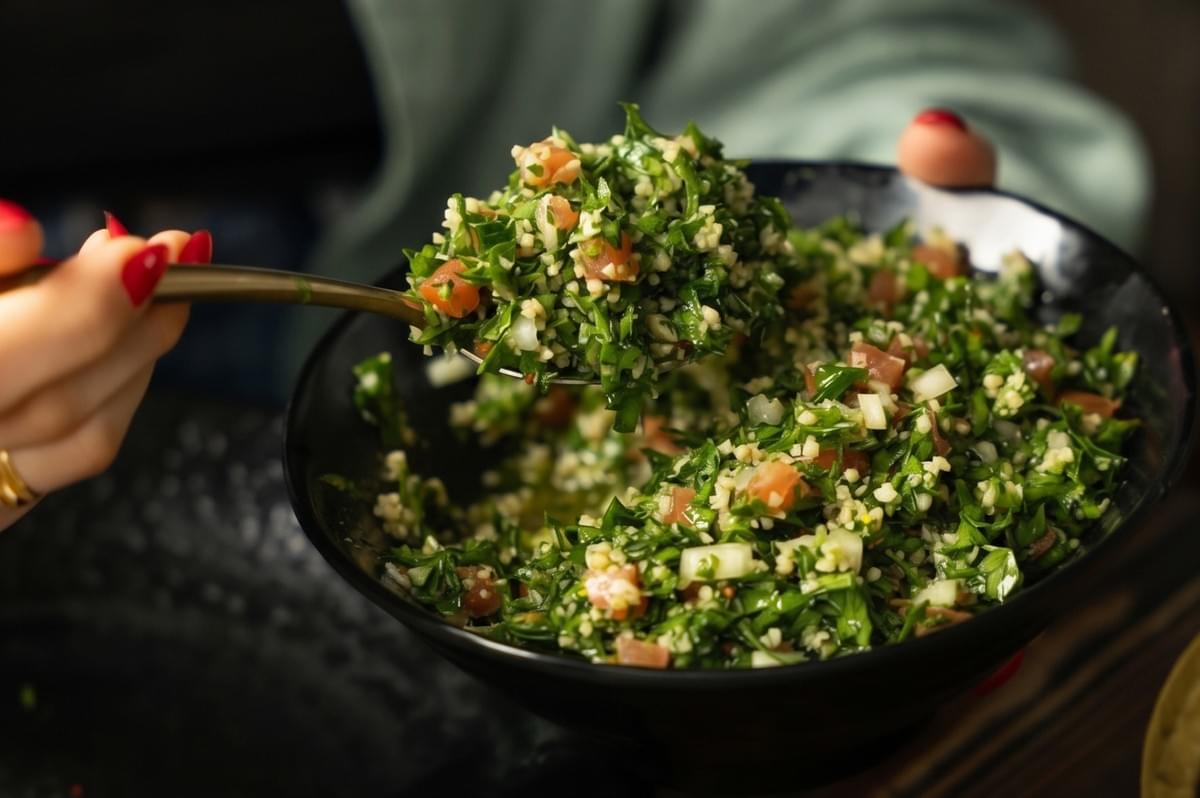
At its heart, Lebanese tabbouleh is a finely chopped salad of parsley, mint, tomato, green onions, and a small amount of soaked bulgur wheat. Lemon juice, olive oil, pepper, and salt bring it together.
Written down, that sounds simple. On the plate, the balance makes the dish.
Freshly chopped parsley gives a clean, slightly peppery fragrance. Mint adds a cooler note. Ripe tomatoes bring juicy acidity, and the freshly squeezed lemon juice brightens each mouthful. Olive oil rounds off the sharp edges, so the salad feels fresh rather than harsh.
The bulgur wheat is scattered through it, soft and gentle. It doesn't fill the large bowl. It gives each forkful a little body.
The Lebanese Tabouleh Salad and Middle Eastern Roots of Tabbouleh Recipe
Tabbouleh belongs to the Middle Eastern Levant, the eastern Mediterranean region that includes Lebanon, Syria, and Palestine. It is commonly linked to the mountains of Lebanon and Syria. Like many old dishes, though, its exact beginnings are not neatly recorded, so tabbouleh origins are best understood as regional rather than tied to a single kitchen or date. As a staple of Middle Eastern cuisine, tabbouleh is often enjoyed as part of halal food traditions, aligning with dietary laws observed by many in the region.
The name offers a clue. The Levantine Arabic term "tabbouleh" is generally traced to the Arabic "tabbil," which comes from an Aramaic root linked to seasoning. The English word comes from Arabic "tabboula," with English attestations dating back at least to the 1930s. Today, you'll also see it spelled as tabouli, tabouleh, or taboulah.
What is clear is how strongly the dish is tied to Lebanese cuisine identity. Lebanon even marks a yearly National Tabbouleh Day, usually held on the first Saturday of July.
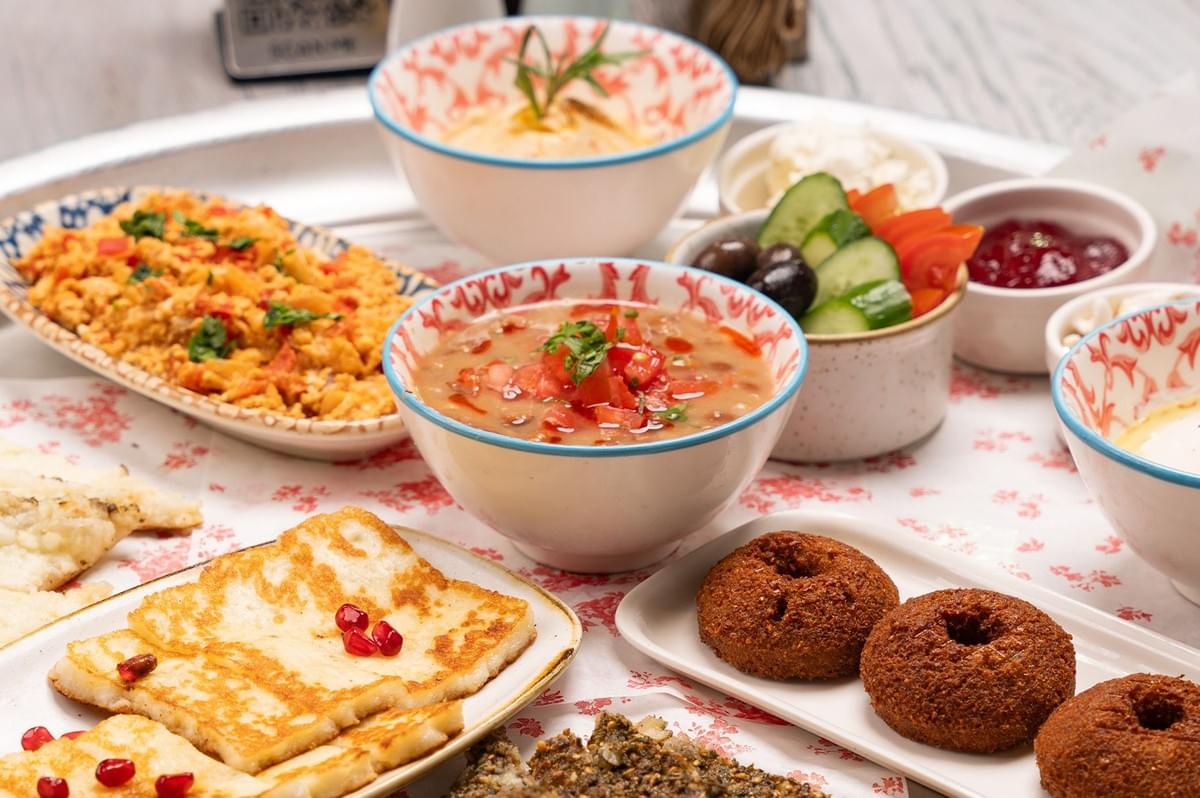
Across the region, tabbouleh salad is usually served as part of mezze appetizers. These are the small plates set out to share, often alongside hummus, baba ghanoush, and warm bread. Mezze is unhurried by nature. People reach across the table, tear bread, pass bowls and talk. Tabbouleh, cool and bright, offers relief between richer bites.
Why Parsley, Not Bulgur Wheat, Takes Centre Stage in the Best Tabbouleh
This is where many people get tabbouleh wrong.
Supermarket tubs and many restaurant versions abroad look golden and grainy, almost like a wheat salad with some green mixed in. Traditional Lebanese tabbouleh salad is the reverse. It should look green first. In Syria and Lebanon, cooks generally use far more parsley than bulgur wheat.
The ratio shapes everything about the dish. With lots of herbs and a little cracked wheat (bulgur wheat), the salad tastes lively and fresh. With lots of grain and a few herbs, it becomes heavier and starchier, and loses much of its brightness.
That doesn't make grain-led versions wrong. They belong to different traditions. Turkish kisir and Armenian eetch both use much more bulgur wheat than parsley, and many Western adaptations follow a similar path. They are simply different dishes from authentic Lebanese tabbouleh, and it helps to know which one you're making.
The Traditional Tabbouleh Recipe Ingredients That Create Its Character
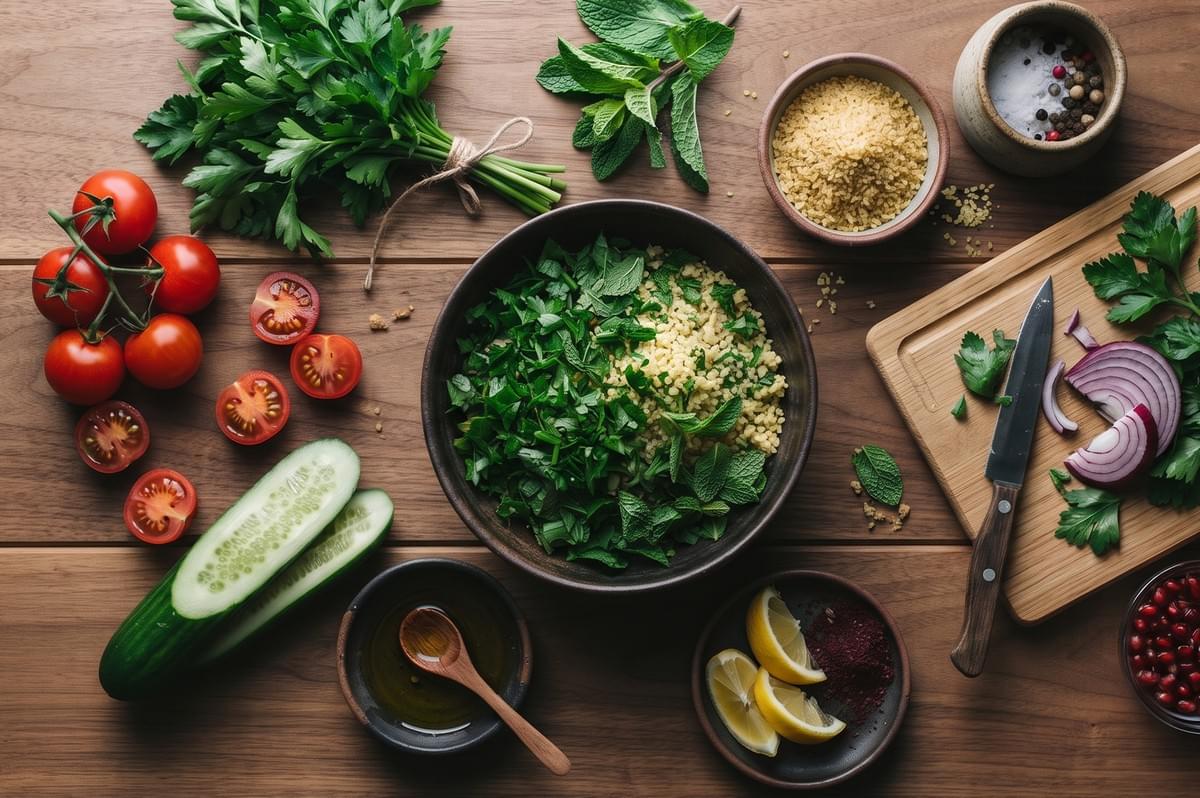
Each ingredient has a clear purpose.
Flat-leaf parsley is the foundation. It has more flavour than the curly parsley variety and chops into fine, tender ribbons. Mint is used with a lighter hand, so its coolness supports the parsley instead of taking over. Dried mint can be added for a slightly different but tasty note.
Tomatoes add juice and acidity. They should be firm and ripe, cut into small cubes, sweet without being watery. Green onions bring a mild sharpness, gentler than raw red onion.
Fine bulgur wheat is cracked wheat that has been parboiled, dried, and cracked. In tabbouleh it is used sparingly, softened with a short soak. Lemon juice and good olive oil make the dressing, and salt sharpens every other flavour.
That's the whole list. Because there's so little in the bowl, each ingredient has to be good.
How to Make Authentic Lebanese Tabbouleh at Home
Serves: 4
Prep time: about 20 minutes
Resting time: 30 minutes
- 3 tablespoons fine bulgur wheat
- 3 large bunches flat-leaf parsley (or substitute some curly parsley for texture)
- A small handful of fresh mint leaves (about 15 to 20)
- 3 firm, ripe tomatoes, diced into small cubes
- 4 green onions, finely chopped
- 3 to 4 tablespoons freshly squeezed lemon juice
- 3 to 4 tablespoons extra virgin olive oil (fat content matters for flavor)
- Salt and pepper, to taste
- Lettuce leaves, such as romaine or baby gem, to serve (optional)
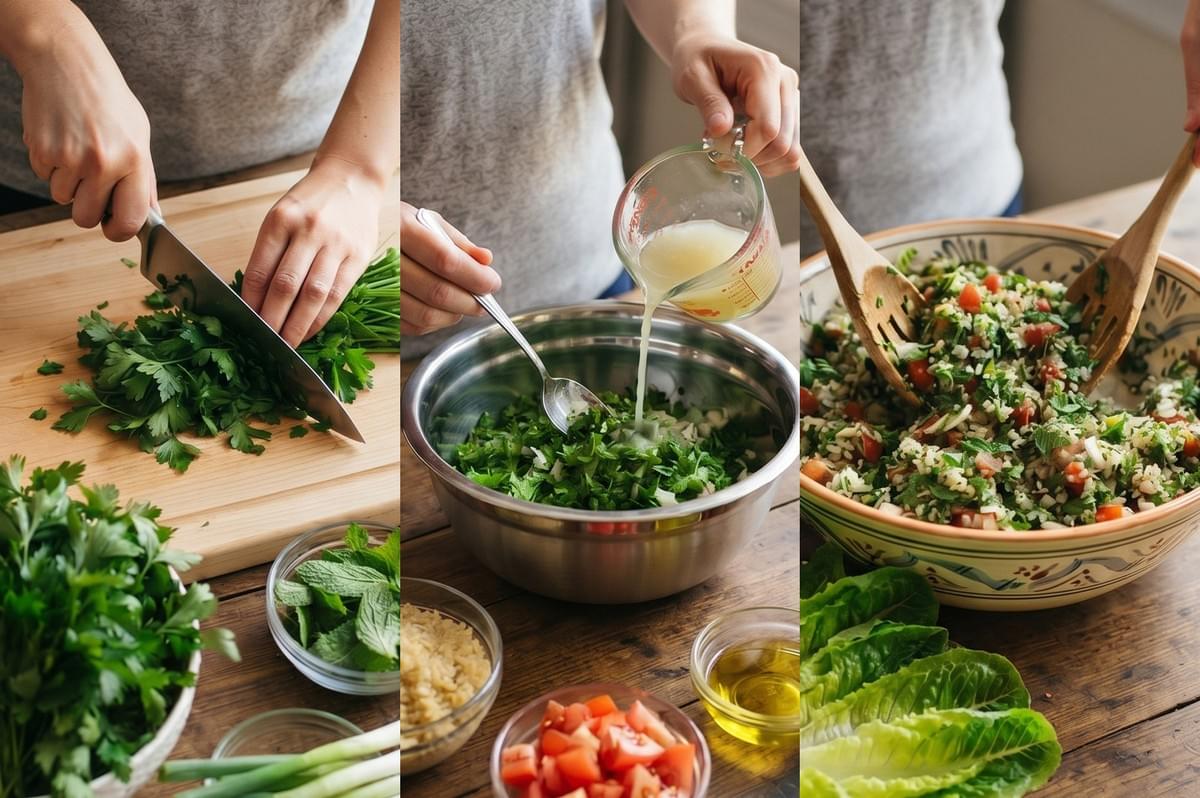
Rinse the bulgur wheat and soak it in cold water for about five to seven minutes. Drain it well, then squeeze out the excess water with your hands or a paper towel. If you can only find medium or coarse bulgur wheat, use hot water and allow a much longer soak. The texture will be slightly chewier.
Wash the parsley and mint, then dry them thoroughly using a salad spinner or paper towel. This step matters more than it seems.
With a sharp knife, chop the parsley finely. Gather the leaves into a tight bundle and slice through them cleanly instead of rocking the knife back and forth over the same spot, which can bruise the leaves. Chop the mint and green onions the same way.
Dice the tomatoes into small cubes and place them in a sieve or colander for a few minutes so the excess juice can drain.
Combine the herbs, green onions, tomatoes, and bulgur wheat in a large bowl. Cover and refrigerate for 30 minutes so the bulgur wheat can finish softening. Shortly before serving, add the freshly squeezed lemon juice, olive oil, salt, and pepper. Use a spoon to stir gently, taste, and adjust. It may want a little more lemon, a little more oil, or a pinch more salt.
Common Mistakes That Change the Tabbouleh Recipe
Most tabbouleh problems begin with too much bulgur wheat. Keep it as a supporting ingredient, and the salad stays light.
Wet herbs are the next trap. Any water clinging to the parsley thins the dressing and leaves the salad soggy. Rushing the chopping can also cause trouble. A food processor may seem convenient, but it can turn parsley into a damp paste that loses its fresh, separate texture.
Try to keep the pieces small and even. Large chunks of tomato or green onion break the rhythm of each bite.For the freshest texture, avoid leaving dressed tabbouleh for an unnecessarily long time. Some recipes serve it immediately, while others let the dressed salad rest briefly so the flavours mingle. And always taste before serving. Lemon, salt, olive oil, and pepper need to balance one another.
How Tabbouleh Salad Is Traditionally Served in Middle Eastern Cuisine
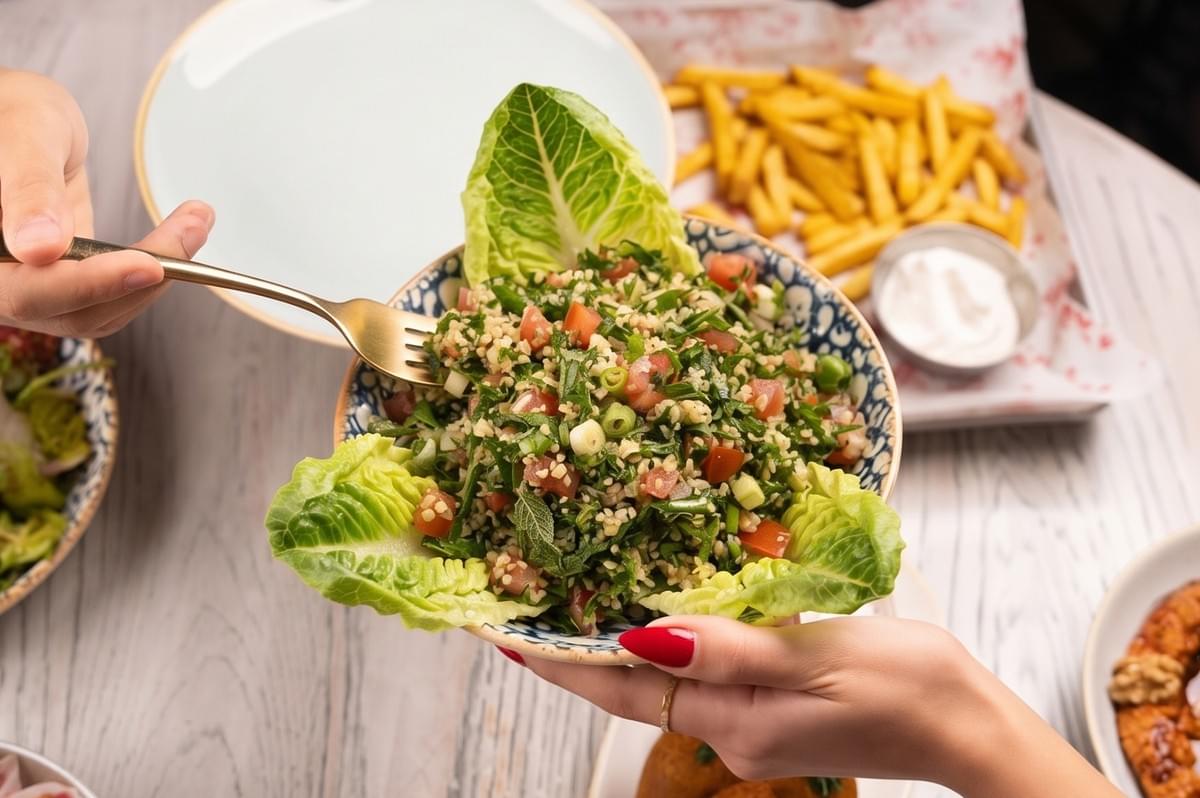
Tabbouleh salad is usually served as part of a mezze spread, shared across the table with other small appetizers. Crisp lettuce leaves are often set beside it so you can scoop up the salad, using the leaf like a small boat.
At home, you might serve it with hummus, warm flatbread, grilled meats, or vegetables. Its brightness works well alongside smoky, rich dishes. It is best eaten fresh, though leftovers can keep in an airtight container in the fridge for up to three days if you drain off some of the liquid first.
For a gluten-free variation, replace the bulgur wheat with cooked quinoa or another certified gluten-free alternative. Standard couscous is made from wheat and is not gluten-free. This variation is tasty and keeps the fresh spirit of the salad while accommodating dietary needs.
Tabbouleh also works well as a meal on its own or stuffed inside sandwiches for a light, healthy option.
A Dish Built on Freshness and Balance: The Best Tabbouleh
Tabbouleh shows how much care can go into something simple. There's no long cooking time and no complicated technique, just good herbs, a sharp knife, and attention to balance.
When the herbs are dry, the bulgur wheat stays light and the seasoning is right, the salad tastes vivid and clean.
So try this authentic Lebanese tabbouleh recipe at home. Buy more parsley than you think you need, and give yourself time to chop it properly. Once you taste it, you may never see the grain-heavy tubs the same way again.
For a more traditional halal cuisine set in Singapore, click this article Savor the Ultimate Nasi Lemak Experience in Singapore
